Wallets and Security
Recovering From a Compromised Wallet
What to do in the first hour after a crypto wallet is compromised, how to secure remaining assets, find the cause, report the theft and rebuild safely.
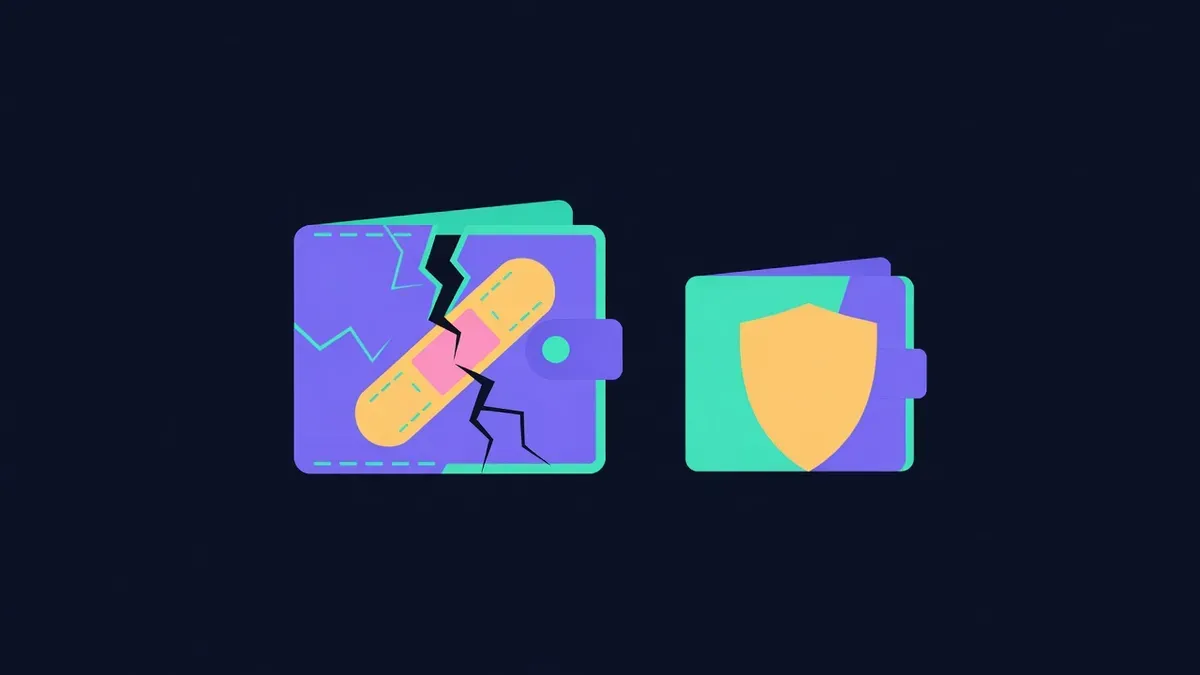
Discovering that a wallet has been compromised is frightening. Tokens disappear, unknown transactions appear, or an NFT collection is suddenly gone. Attackers often keep watching a compromised wallet and sweep any new funds that arrive. Acting quickly and in the right order can save remaining assets and prevent further losses.
Figure out what kind of compromise it is
The response depends on how the attacker got access:
| Type | Signs | What the attacker can do |
|---|---|---|
| Seed phrase or private key exposed | Transfers you did not sign, across many tokens | Anything, at any time |
| Malicious approval | Specific tokens taken through a contract | Move approved tokens until revoked |
| Malicious signature such as a permit | Tokens moved without an approval transaction | Use that signature until it expires or is used |
| Device malware | Changed addresses, fake prompts, stolen files | Depends on what the malware captured |
| Exchange account takeover | Withdrawals from exchange account | Withdraw funds held on the exchange |
If you are unsure, assume the worst case: the seed phrase is exposed.
The first hour
Work through these steps quickly:
- Use a clean device. If malware is possible, avoid using the compromised computer or phone.
- Create a new wallet on a clean device or a new hardware wallet. Record the new seed phrase offline.
- Move remaining assets from the compromised wallet to the new wallet, prioritising the most valuable.
- Revoke approvals if the compromise came from an approval and the seed phrase is safe.
- Stop sending funds to the compromised address, including gas top-ups, which attackers often sweep automatically.
- Record everything: transaction hashes, times, suspicious sites and messages.
If the attacker is sweeping every incoming gas payment, moving assets can be difficult. Some advanced recovery methods bundle gas funding and transfers in a single private transaction, but they require technical expertise and trustworthy help.
Beware of recovery scams
Victims attract a second wave of scammers. Fake "recovery experts", hackers-for-hire and support agents contact victims promising to recover stolen funds for a fee. Almost all are scams.
Legitimate help does not arrive through unsolicited DMs, does not require upfront payment and never asks for your seed phrase.
Find the cause
Understanding how the compromise happened prevents repeat incidents:
- Did you sign something on an unfamiliar site recently?
- Did you enter a seed phrase anywhere?
- Did you download software, extensions or files from unknown sources?
- Did you store the seed phrase digitally, such as in photos, notes or cloud storage?
- Did anyone have physical access to backups?
Check recent approvals and signatures on a block explorer. Scan devices for malware or reset them completely before using them again for crypto.
Report the theft
Reporting rarely recovers funds, but it can help:
- Report to exchanges if stolen funds were sent there, with transaction hashes
- Report to stablecoin issuers, who occasionally freeze stolen tokens
- File a report with local law enforcement for records and possible investigations
- Report phishing domains to wallet providers and browser safe browsing services
- Warn communities if a project was impersonated
Rebuild safely
After securing what you can:
- Use a hardware wallet for significant holdings
- Keep a separate low-value wallet for new sites and experiments
- Store seed phrases offline only
- Review signing habits and read every prompt carefully
- Consider multisig for larger amounts
Abandon the compromised wallet permanently, even if it appears quiet. Attackers often keep monitoring it for months.
Look after yourself
Losing funds can be emotionally hard. Talk to people you trust, and remember that sophisticated attacks catch experienced users too. Sharing your story, without sensitive details, often helps others avoid the same trap.
Update official information if you run a project
If a project wallet was compromised, update treasury addresses everywhere and explain the change publicly. Consistent new addresses across your website, docs and profiles such as a Proud Globe pin help your community avoid sending anything to the old, compromised wallet.
Educational content only. Nothing here is financial, legal or tax advice. Crypto assets carry risk, so check the details for your own situation.