Wallets and Security
Verifying Official Links for a Crypto Project
A step by step method for confirming a crypto project's real website, social accounts and contract addresses, and avoiding lookalike links spread by scammers.
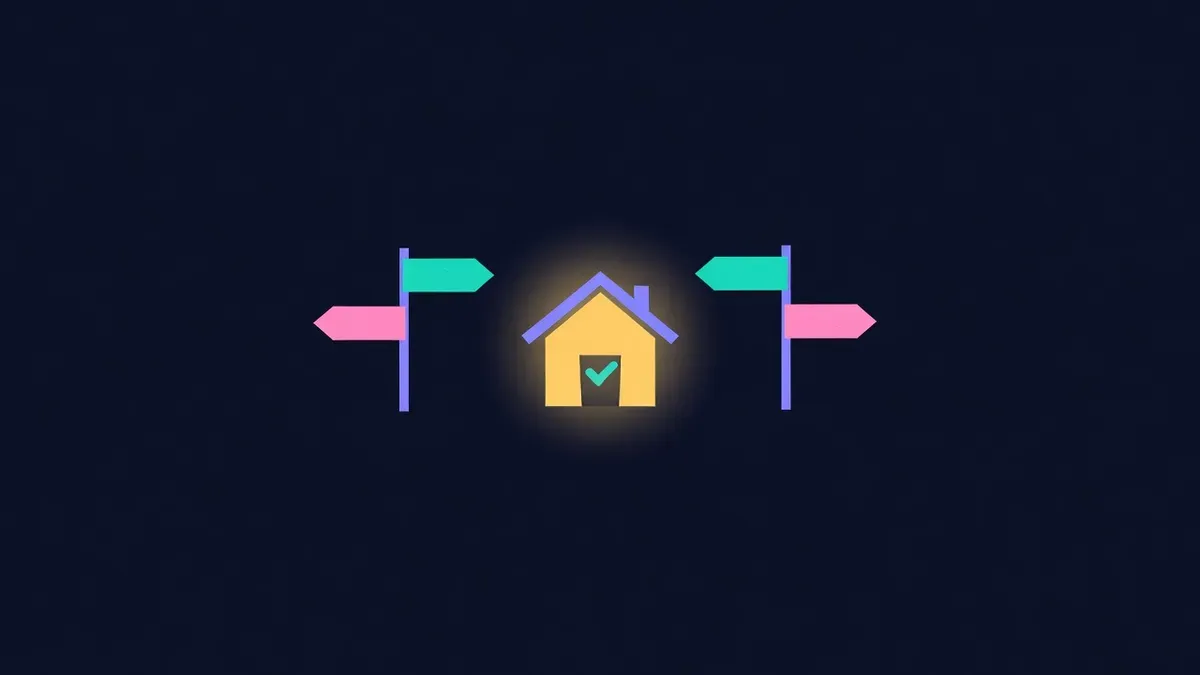
Scammers copy crypto projects constantly. They register lookalike domains, create fake social accounts, deploy tokens with the same ticker and post fake links in replies. Before connecting a wallet, buying a token or claiming anything, confirming that you have the real links is one of the most effective habits you can build.
The closed loop method
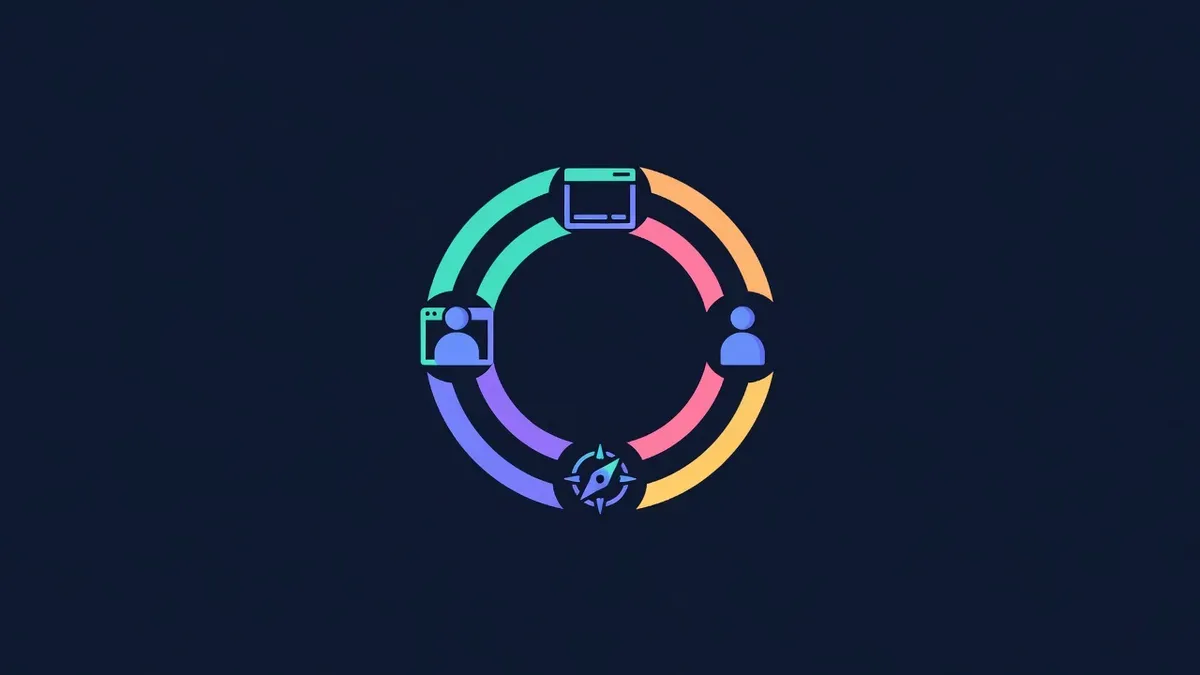
Official links usually point to each other. A project's website links to its X account, its X account links back to the website, and the website lists contract addresses that match the token on block explorers. Fake links often break this loop somewhere.
To check the loop:
- Find the website through a trusted source, such as a bookmark or a reputable data aggregator
- On the website, find the official social links and contract addresses
- Open the social accounts from the website and confirm they link back to the same website
- Check contract addresses on the block explorer and confirm the explorer profile links to the same website
- Compare with at least one independent listing
If every link agrees, you likely have the real project. If anything points somewhere else, stop and investigate.
Signs of fake websites
- Domains with extra words, hyphens or different endings
- Misspellings or swapped characters
- Recently registered domains claiming to be established projects
- Pages that ask to connect a wallet immediately
- Missing documentation, broken links or copied text
Signs of fake social accounts
| Sign | Why it matters |
|---|---|
| Username differs slightly from the real one | Display names are easy to copy |
| Recently created account | Fake accounts are usually new |
| Low engagement despite large follower counts | Bought followers |
| Replies promoting claims or airdrops | Common scam pattern |
| No link from the official website | Real accounts are listed on the site |
Verifying contract addresses
Contract addresses are the most important links to verify:
- Copy addresses only from the official website or docs
- Check the address on the correct block explorer for the chain
- Confirm the contract is verified and matches the expected token name
- Check that the explorer's token profile lists the official website
- Compare with the address on reputable data aggregators
Never search for a token by name in a wallet or exchange interface without checking the contract address.
Independent listings help
Independent sources make fakes easier to spot:
- Reputable data aggregators
- Token lists used by major wallets
- Ecosystem pages run by chains
- Public directories and map listings where projects add their official website
A scammer can control a fake website and a fake account, but controlling many independent listings at once is much harder.
When links change
Projects sometimes change domains or social handles. Legitimate changes are announced through existing official channels, reflected on the website and repeated over time. A sudden "we moved to a new website" message in replies or DMs is a common scam.
Build a personal bookmark list
Save bookmarks for projects you use regularly after verifying them once. Use the bookmarks every time. This single habit prevents most phishing losses.
For project teams
Make verification easy for your community:
- Keep one official links page on your website
- Link to it from every social profile
- Keep explorer profiles and token lists updated
- Use consistent names, logos and handles everywhere
- Add your official website to independent listings, such as a Proud Globe pin, so there is one more trusted reference that agrees with the rest
Every consistent, independent reference you add makes the closed loop stronger.
Educational content only. Nothing here is financial, legal or tax advice. Crypto assets carry risk, so check the details for your own situation.