Wallets and Security
Smart Contract Risk for Everyday Users
A plain explanation of smart contract risk for everyday crypto users, including bugs, admin keys, upgrades, oracles and bridges, and simple ways to reduce exposure.
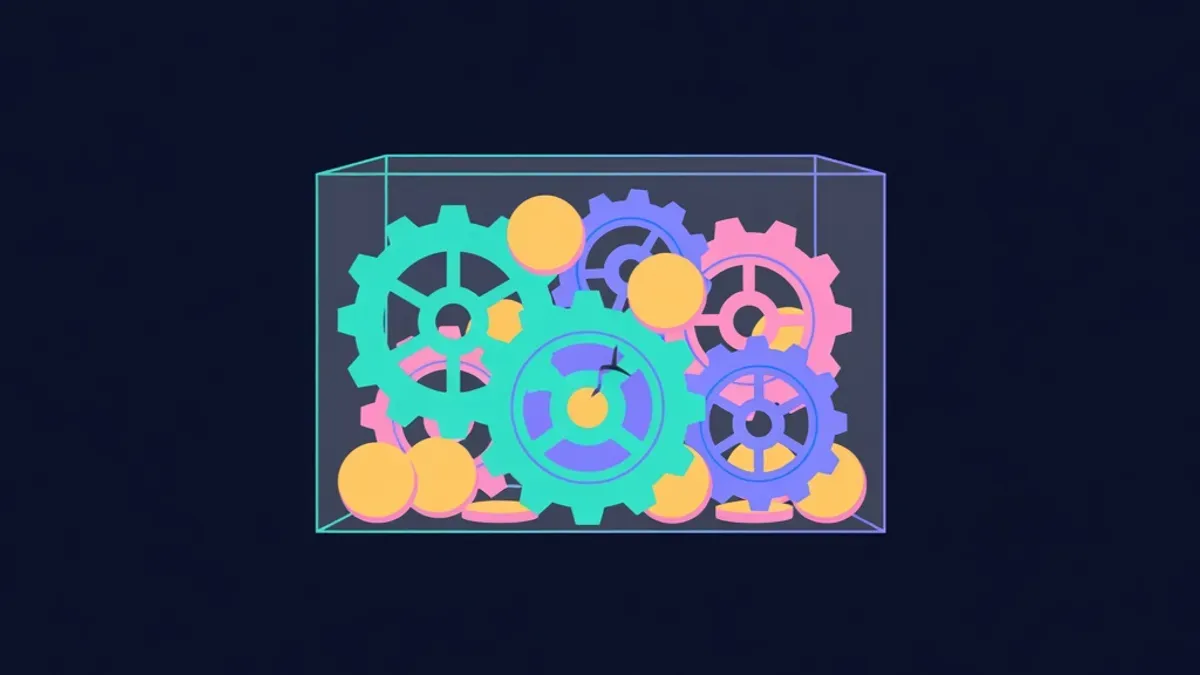
When you deposit funds into a DeFi protocol, stake tokens or bridge assets, you trust a smart contract to behave as intended. Smart contracts are code, and code can fail. Even audited contracts from well-known teams have been exploited. You do not need to be a developer to understand the main risks and make better decisions.
This article is educational and not financial advice.
What smart contract risk means
Smart contract risk is the chance that funds held or controlled by a contract are lost, frozen or stolen because of problems with the contract or its surroundings. Unlike a bank, there is usually no insurance or customer service to reverse losses.
The main types of risk
| Risk | What can go wrong |
|---|---|
| Code bugs | Logic errors let attackers withdraw funds |
| Admin keys | Privileged accounts can change rules or move funds |
| Upgrades | New contract versions introduce bugs or malicious changes |
| Oracle manipulation | Wrong price data triggers unfair liquidations or withdrawals |
| Economic design | Incentives break under unusual market conditions |
| Dependencies | Problems in another protocol or token spread |
| Bridges | Cross-chain systems holding large amounts become targets |
| Frontend compromise | The website shows malicious transactions even if contracts are safe |
Signs of lower and higher risk
No checklist removes risk, but some signs help:
Often lower risk
- Contracts running for a long time with significant value and no major incidents
- Multiple audits from reputable firms, with findings resolved
- Active bug bounty programmes
- Admin controls held by multisigs or governance with timelocks
- Clear documentation of risks
Often higher risk
- Brand new contracts with high promised yields
- No audits, or audits that do not cover the deployed code
- Anonymous teams with no track record and unrestricted admin keys
- Complex strategies depending on many other protocols
- Pressure to deposit quickly
Simple ways to reduce exposure
You can lower smart contract risk without reading code:
- Spread funds. Avoid putting everything into one protocol.
- Start small. Test a protocol with a small amount before depositing more.
- Prefer battle-tested protocols for larger amounts.
- Limit approvals to the amounts you need, and revoke old ones.
- Use separate wallets for experimental protocols.
- Check official links to avoid fake frontends.
- Follow protocol announcements so you hear about incidents quickly.
Understand what audits mean
Audits reduce risk but do not eliminate it. An audit reviews specific code at a specific time. Later upgrades, integrations or deployment mistakes may not be covered. Treat an audit as one positive signal among several.
High yields often mean higher risk
When a protocol offers returns far above others, ask where the yield comes from. It might be temporary token incentives, borrowed funds, risky strategies or new users' deposits. Understanding the source of yield often reveals the risk you are taking.
Watch for warning signals after depositing
- Sudden changes in contract parameters
- Unusual withdrawals by large holders or the team
- Social media reports of problems
- The protocol pausing contracts
If you see credible warning signs, consider withdrawing while you investigate.
Payments usually carry less contract risk
Simple token transfers carry far less smart contract risk than deposits into complex protocols, because no third-party contract holds your funds. Paying a merchant with a plain USDC transfer, as with a Proud Globe tile, involves only the stablecoin's own contract and the network, which is why checkout never asks for approvals.
Educational content only. Nothing here is financial, legal or tax advice. Crypto assets carry risk, so check the details for your own situation.