On-chain Culture
Profile Pictures as Identity in Crypto
How profile pictures became a core part of crypto identity, from NFT avatars to community traits, and what they signal about belonging, status and trust online.
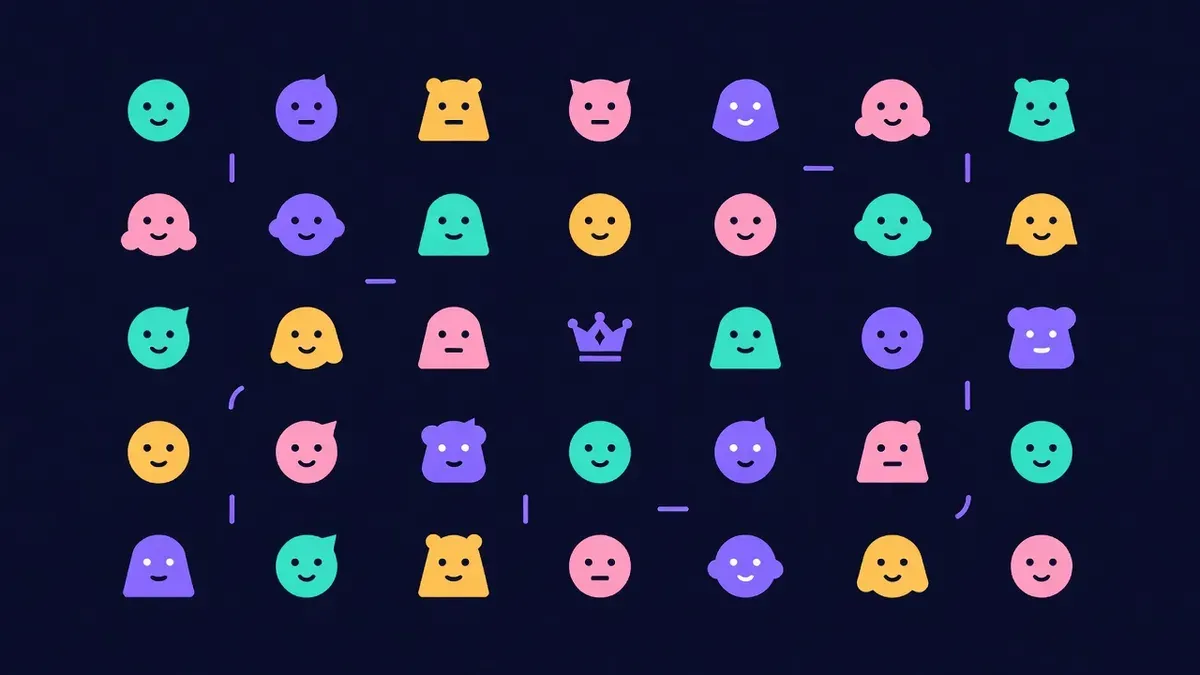
Scroll through crypto discussions on X and you will see a wall of avatars: pixel punks, cartoon apes, anime characters, laser eyes and custom illustrations. In crypto, the profile picture, or PFP, is more than decoration. It often tells you which communities someone belongs to, how long they have been around and sometimes what they own.
From avatar to identity
Online avatars are not new. Forums and games have long used them. What changed in crypto was ownership. With NFT profile pictures, an avatar could represent an item the person actually holds, with ownership verifiable on-chain.
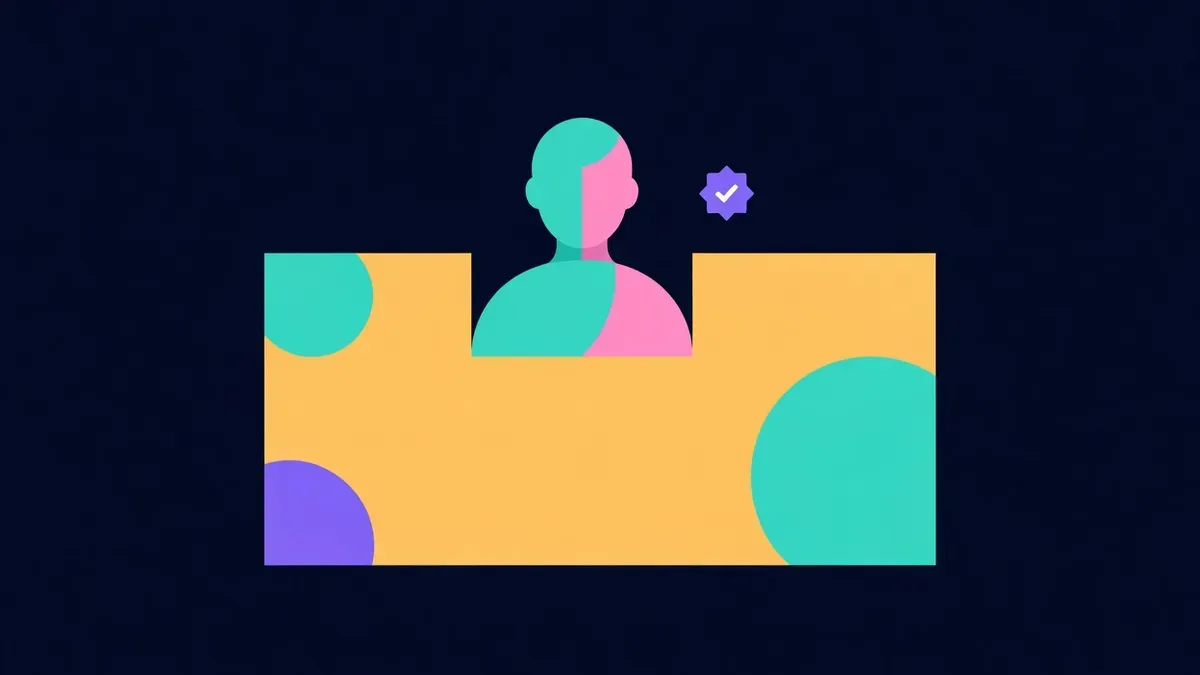
That shift turned PFPs into identity markers. Holding a particular collection signalled membership in its community. Some platforms added features to show verified NFT avatars in a distinct shape, linking the image to on-chain ownership.
What a PFP signals
A profile picture can signal several things at once:
- Belonging. Members of a community recognise each other by shared art styles.
- Tenure. Early collections suggest someone has been in crypto for a while.
- Values. Some collections are associated with art, others with builders or specific causes.
- Status. Rare traits or expensive collections can signal wealth or luck.
- Personality. Custom or unusual avatars express individual taste.
People read these signals quickly, sometimes before reading anything the person writes.
Community effects
When many members share a PFP style, a community becomes visible across platforms. Seeing the same art style in replies, Spaces and conferences makes the group feel large and active. Holders often support each other's projects, which gives collections social and practical value.
Trait-based sub-communities also form, such as holders of a particular colour or accessory. These small groups add layers of identity within a larger collection.
The downsides
PFP culture has real drawbacks:
- Exclusion. Expensive collections can make newcomers feel they need to buy in to be taken seriously.
- Speculation. Identity and investment blur, and price drops can feel personal.
- Impersonation. Scammers copy avatars to pose as trusted accounts.
- Judgement by image. People may dismiss good ideas from accounts without recognised avatars.
Communities that value contribution over ownership tend to handle these problems better.
Impersonation and verification
Because avatars are easy to copy, a familiar image is weak proof of identity. Scammers often copy both the name and PFP of a known figure, then reply to popular posts with malicious links.
Check more than the avatar:
| Check | Why |
|---|---|
| Exact username or handle | Display names and images are easy to copy |
| Account creation date | New accounts with famous avatars are suspicious |
| Follower overlap | Real accounts share followers with their community |
| Links to official websites | The site should link back to the account |
| On-chain verification badge | Confirms NFT ownership, not identity |
Projects and brand avatars
For projects, the profile picture is usually the logo. Consistency matters here more than creativity. Use the same logo on every platform, in every listing and in every directory. When users see the same mark on your website, your X account and your public profiles, they learn to recognise it.
A square version of your logo, readable at small sizes, is one of the most useful brand assets you can have. It appears in replies, notifications, wallet interfaces and map pins.
Beyond the picture
PFPs are one layer of online identity among many. Names, links, contributions and public records all add context. A project whose logo, name and links match across its website, social accounts and listings such as a Proud Globe pin gives people several independent ways to confirm they have found the real thing.
Educational content only. Nothing here is financial, legal or tax advice. Crypto assets carry risk, so check the details for your own situation.