On-chain Culture
DAOs as Online Clubs
How many DAOs work less like corporations and more like online clubs, with shared interests, rituals, treasuries and membership, and what makes these groups last.
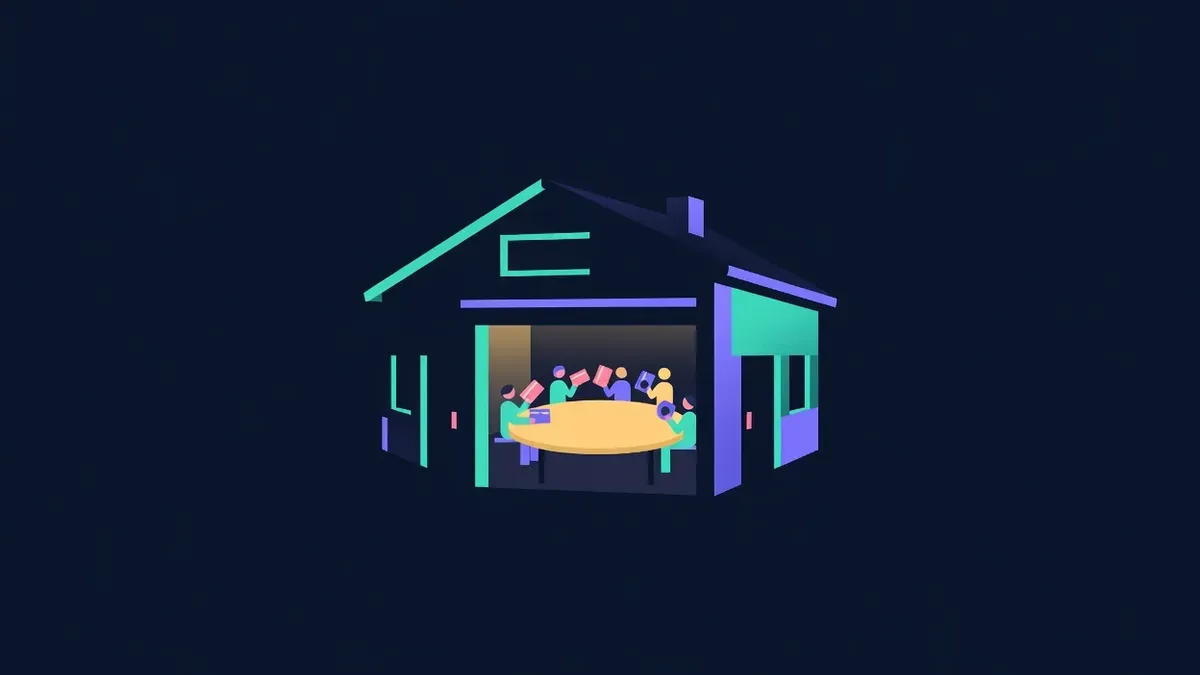
Decentralised autonomous organisations, or DAOs, are often described in grand terms: new forms of companies, internet-native governments or collectively owned protocols. Some DAOs fit those descriptions. Many others work more like clubs. People with shared interests pool resources, make decisions together, organise events and enjoy each other's company, using tokens and smart contracts as membership cards and a shared wallet.
Seeing DAOs as online clubs helps explain why some thrive and others fade.
The club model
Traditional clubs share common elements:
| Club element | DAO equivalent |
|---|---|
| Membership | Tokens, NFTs or allowlists |
| Dues or contributions | Token purchases, contributions or work |
| Treasury | Multisig or on-chain treasury |
| Meetings | Community calls, Discord discussions |
| Voting | Governance proposals |
| Clubhouse | Discord server, forums, occasional physical spaces |
| Traditions | Memes, events, recurring rituals |
The blockchain parts make membership verifiable and treasury activity transparent, but the social parts do most of the work.
Types of club-like DAOs
Club-style DAOs gather around many interests:
- Collecting art or NFTs together
- Funding public goods in a niche area
- Supporting a local or regional crypto community
- Learning, research and education groups
- Social groups built around a shared identity
- Creative collectives producing music, art or media
Their goals are often modest and specific, which can make them more sustainable than DAOs trying to run large businesses.
Why clubs succeed or fail
Club-like DAOs tend to succeed when they have:
- A clear shared interest that exists independently of token prices
- Regular activities that give members reasons to show up
- A manageable size where people recognise each other
- Simple, transparent treasury management
- Leaders or organisers who keep things moving
- Rituals and inside culture that create belonging
They struggle when membership becomes purely financial, when governance processes overwhelm social activity or when a few organisers burn out.
Governance at club scale
Heavy governance systems can suffocate small groups. Many club DAOs work best with light processes:
- Informal discussion before formal votes
- Small budgets delegated to working groups
- Clear rules for spending above certain amounts
- Occasional votes on major decisions rather than every choice
Matching governance to the group's size keeps participation fun rather than bureaucratic.
Treasuries as shared purpose
A shared treasury gives members a reason to collaborate. Clubs might fund events, commission art, support contributors or donate to causes. Transparent spending reports keep trust high.
Treasury disputes are also a common source of conflict, so clear rules and regular communication matter.
In-person moments
Many online clubs strengthen bonds through occasional in-person gatherings: dinners at conferences, local meetups or members-only events. These moments turn online acquaintances into friends, which helps groups survive quiet periods.
Membership beyond price
The healthiest club DAOs remind members why they joined: shared interests, friendships and collective projects. When membership tokens lose value, clubs built on real relationships continue meeting.
When clubs grow up
Some club-like DAOs grow into larger organisations with employees, products and significant treasuries. That transition changes the culture. Formal processes, legal structures and professional roles become necessary, and early members may feel the club atmosphere fading. Groups that handle growth well keep small social spaces alive inside the larger organisation, such as member-led working groups, casual calls and traditions from the early days, so newcomers still experience the sense of belonging that attracted the founders.
A clubhouse on the map
Clubs like to have a place to call home, even online. Some DAOs and collectives plant their banner on the Proud Globe over the city where the club started or where members gather most, giving the group a shared public marker that every member can point to.
Educational content only. Nothing here is financial, legal or tax advice. Crypto assets carry risk, so check the details for your own situation.