On-chain Culture
The Million Dollar Homepage Story and Why It Still Matters
How a student sold a million pixels for a dollar each in 2005, why it worked, what happened to the links, and the lessons it still offers crypto builders today.

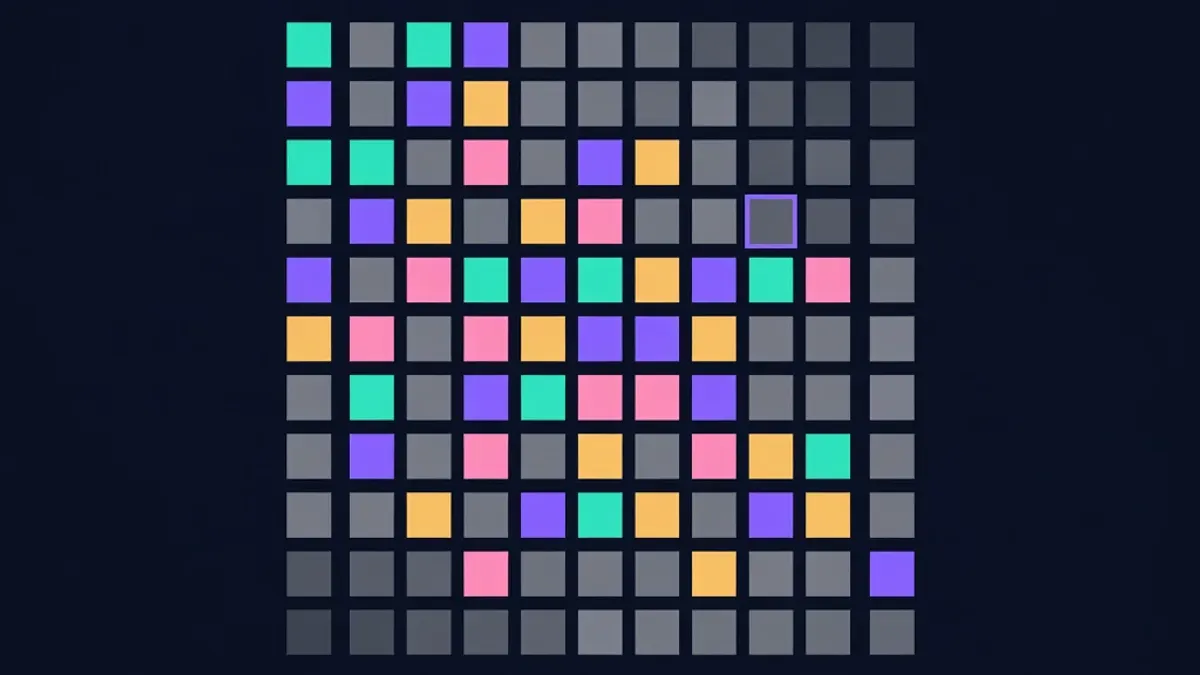
In August 2005, a student in England named Alex Tew launched a website with a simple offer. The page was a grid of one million pixels, and anyone could buy them for one dollar each, in blocks of ten by ten. Buyers could place an image in their block and link it to any website. The goal was to raise money for university.
Within months, the page had sold almost every pixel. The final thousand were auctioned, and total revenue passed one million dollars. The Million Dollar Homepage became one of the most famous examples of internet virality, and it still gets studied by marketers two decades later.
Why it worked
On the surface, the idea sounds almost too simple. Several elements made it spread.
A clear, memorable hook. "A million pixels for a dollar each" explained itself in one sentence. Journalists could summarise it instantly.
Visible progress. Every sale changed the page. Visitors could see the grid filling up, which made the project feel alive and created urgency.
Scarcity that was real. There were exactly one million pixels. Once they were gone, they were gone. Buyers understood that early placement would not be available forever.
Buyers became promoters. People who bought blocks had a reason to share the page with their own audiences, which brought new visitors, which led to more sales.
Novelty and press. Media coverage turned the page into a story, and the story became part of the product.
What people were really buying
What buyers really paid for was a spot in something people were talking about. For some, it was advertising. For others, it was the fun of owning a piece of internet history. Some bought a block simply to say they were part of it.
That mix of attention, participation and pride explains why copycats struggled. The first page had the story. Later versions had pixels.
What happened to the links
The page still exists. Many of the websites it linked to do not. Studies over the years found that a large share of the original links broke as companies closed, domains expired and owners moved on. The image blocks remain, but many lead nowhere.
This is a useful lesson about digital permanence. A placement can outlive its purpose. Anyone buying space on a similar project should link to something they expect to maintain, and projects offering placements should be clear about how long they will run.
Echoes in crypto
The Million Dollar Homepage anticipated several ideas that later became central to crypto culture:
| Million Dollar Homepage | Crypto parallel |
|---|---|
| Fixed supply of pixels | Fixed token or NFT supply |
| Public, visible ownership | On-chain ownership records |
| Buyers promote what they own | Community-driven marketing |
| Early buyers get prime spots | Early adopter culture |
| Collective artwork emerges | Collaborative canvases and on-chain art |
Several blockchain projects have directly recreated the concept, with pixels owned as tokens or recorded in smart contracts.
Lessons for builders today
A few lessons carry over well:
- A simple, one-sentence concept travels further than a complex one
- Visible progress creates momentum
- Real limits create urgency, and fake limits destroy trust
- Give buyers a reason and the tools to share
- Be honest about what buyers receive and for how long
The fifth lesson matters more in crypto than it did in 2005. Buyers today expect clear terms, verifiable ownership and no hint that a placement is an investment.
A modern take
Proud Globe borrows the best parts of the idea and applies them to a globe instead of a grid. There are 2,030 tiles, each tied to a real place on Earth, with Prime tiles over major crypto cities. Pins are clearly advertising placements with a twelve month term, paid in stablecoins and verifiable on-chain. If you like the idea of owning a small piece of a shared map, you can claim a tile and see it appear on the globe in minutes.
Educational content only. Nothing here is financial, legal or tax advice. Crypto assets carry risk, so check the details for your own situation.