On-chain Culture
Digital Land: From Virtual Worlds to On-chain Maps
How the idea of owning digital land evolved from early virtual worlds and online games to blockchain metaverses and simple on-chain maps, and what buyers actually value.
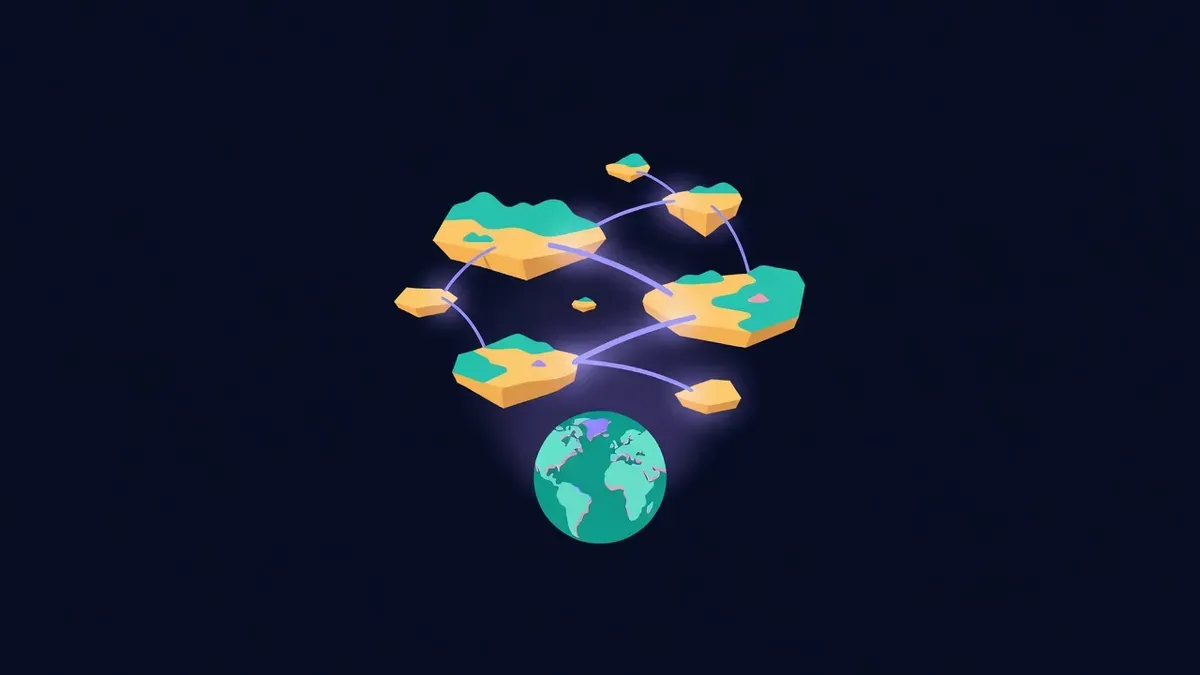
People have been buying land that does not physically exist for decades. Long before blockchain, players paid real money for plots in virtual worlds, houses in online games and domain names that acted as digital real estate. Crypto added verifiable ownership to the idea, and for a while digital land became one of the most talked about corners of the industry.
Understanding how the idea evolved helps explain what people actually value when they buy a place in a digital world.
Early virtual worlds
In the early 2000s, virtual worlds such as Second Life let users buy land, build on it and even rent it out. Some users built businesses selling virtual goods. Land had value because it gave space to create, a location near others and a presence in a busy community.
Ownership, however, depended entirely on the company running the world. Rules could change, and if the company shut down a server, the land vanished.
Games and scarcity
Online games added scarcity in other ways. Housing in some multiplayer games was limited, and players competed for plots in popular areas. Location mattered: a house near a busy town was worth more to players than one in a remote region.
These systems showed that people value digital places for social reasons. Visibility, neighbours and prestige drove demand more than the pixels themselves.
Blockchain metaverses
Blockchain projects introduced land parcels as NFTs. Buyers could verify ownership on-chain, trade parcels on open markets and in theory move value outside a single company's control.
For a period, land sales in several blockchain worlds reached very high prices, driven partly by excitement about the metaverse and partly by speculation. Later, activity in many of those worlds dropped, and prices fell sharply. Owners discovered that land without visitors has little use.
What went wrong, and what went right
Many metaverse projects struggled because:
- Worlds were expensive to build and slow to run in browsers
- Few people visited regularly after launch excitement faded
- Land was often marketed as an investment rather than a place to use
- Content creation was hard for ordinary owners
Some things worked well. Verifiable ownership gave buyers confidence, and communities formed around shared spaces. Brands learned that digital locations could be memorable when paired with events and real activity.
The rise of simple maps
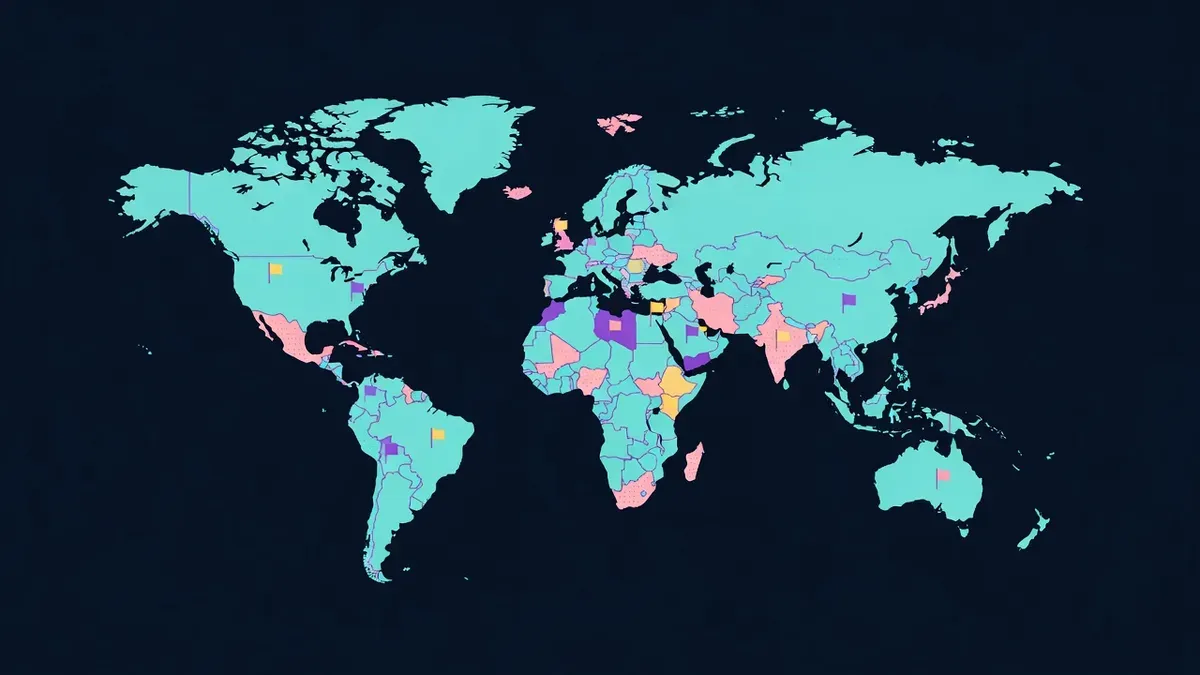
A newer approach strips digital land back to basics. Instead of immersive 3D worlds, simple maps and globes show ownership at a glance. Each spot has a clear location, a name, a link and a visual presence. There is no avatar to control and no world to explore for hours.
| Format | Strength | Weakness |
|---|---|---|
| Immersive virtual world | Rich experiences | Costly, needs daily visitors |
| Game housing | Social value, clear use | Tied to one game |
| NFT land parcels | Verifiable, tradable | Speculative cycles |
| Simple map placements | Instant to understand, easy to share | Less immersive |
Simple maps are closer to a directory with personality. They answer a clear question: who is here, and where?
What buyers really value
Across every format, buyers tend to value the same things:
- Visibility to people who matter to them
- A location with meaning, such as a home city or a community hub
- Neighbours and a sense of belonging
- Clear, honest terms about what they own and for how long
- Something easy to share
When a digital land product focuses on these rather than promised price growth, it tends to attract people who actually use it.
A place on the globe
Proud Globe applies the simple map approach to a 3D globe of 2,030 tiles, each tied to a real location. Prime tiles sit over major crypto cities, and each pin links to its own page. There is no speculation and no resale market, just a clear placement for twelve months. You can find your city's tile and see who your neighbours are.
Educational content only. Nothing here is financial, legal or tax advice. Crypto assets carry risk, so check the details for your own situation.