Token Launches
Anti-Bot Measures for Token Launches
How bots snipe token launches, which anti-bot measures teams use, the trade-offs for real users, and how to explain protections without inviting workarounds.
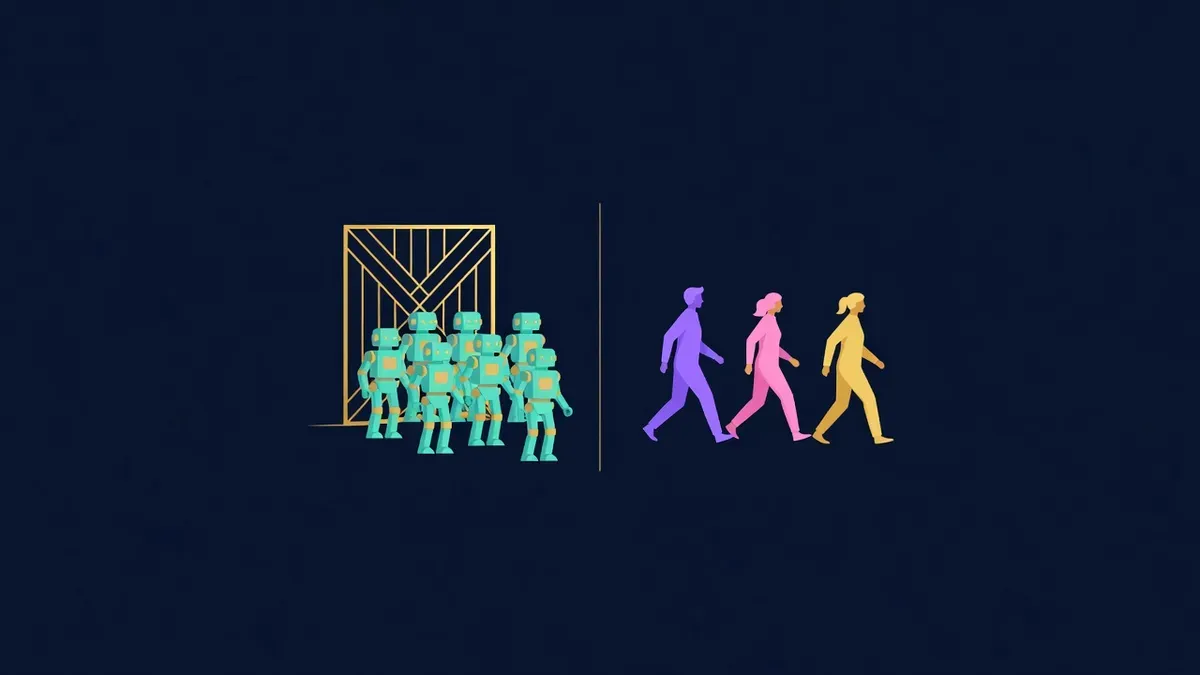
Bots watch blockchains constantly for new pools and token launches. When liquidity appears, some bots buy in the same block or the next one, then sell to the first human buyers at higher prices. For a new project, heavy bot activity can distort the price, concentrate supply and leave genuine supporters feeling cheated.
No measure removes bots entirely, but several reduce their advantage.
How sniping works
Sniping bots use a few techniques:
- Monitoring the mempool for liquidity additions and trading enablement
- Submitting buy transactions with high priority fees to land first
- Buying across many wallets to avoid per-wallet limits
- Selling quickly once prices rise from human demand
On networks with public mempools, bots can see pending transactions before they confirm. On networks with private ordering, bots still react quickly once blocks are published.
Common anti-bot measures
| Measure | How it works | Trade-off |
|---|---|---|
| Launch time not announced to the minute | Reduces preparation | Community may miss the start |
| Max transaction and wallet limits | Caps early buys | Bots split across wallets |
| Trading delay after liquidity | Blocks buys for a few blocks | Needs careful contract design |
| Higher fees for early blocks | Makes sniping expensive | Can hurt humans who buy early |
| Allowlist period | Only approved wallets buy first | Needs fair allowlist process |
| Private or protected transaction submission | Hides liquidity addition until included | Depends on network support |
| Claim-based distribution | Tokens distributed before trading | Shifts the problem to claims |
Many teams combine a few measures for the first minutes or hours.
Design protections carefully
Anti-bot logic in contracts adds complexity and risk. Poorly designed restrictions can trap tokens, block legitimate trades or give the team powers users distrust, such as the ability to blacklist wallets indefinitely.
Good practices:
- Keep restrictions time-limited and enforced by code
- Make limits visible in the verified contract
- Avoid owner functions that can change taxes or limits arbitrarily after launch
- Include restriction removal in the audit scope
- Test on a fork with simulated bot behaviour
Buyers read contracts. Hidden or unlimited controls look like rug pull mechanics, even when intentions are good.

Distribution design helps
Launch mechanics beyond the pool also reduce bot advantage:
- Airdrops and claims to verified users before trading
- Community rounds with per-wallet caps and vesting
- Longer launch windows where early seconds matter less
- Liquidity added in stages rather than all at once
Each approach has its own complexities, but they change the incentive to race for the first block.
Communicate without giving a roadmap to bots
Tell your community that protections exist and how they affect users, such as a maximum buy size for the first thirty minutes. Avoid publishing every detail that would help bot operators prepare workarounds. After launch, share a summary of what was used and how it performed.
Monitor and respond
During launch, watch for:
- Clusters of wallets funded from the same source
- Rapid buy and sell cycles
- Unusual gas or priority fee patterns
- Early concentration in a few addresses
Share observations transparently afterward. Honest reporting builds trust even when bots got through.
Keep official information clear
Bots are not the only launch threat. Fake tokens and fake pools appear quickly too. Publish the real contract and pool addresses on your website first, then share them everywhere else, including public profiles such as a Proud Globe pin, so buyers can check they are trading the right token.
Educational content only. Nothing here is financial, legal or tax advice. Crypto assets carry risk, so check the details for your own situation.