Token Launches
Writing a Whitepaper People Will Read
How to write a crypto whitepaper that people read and trust, with a clear structure, plain language, honest risk sections and supporting diagrams and data.
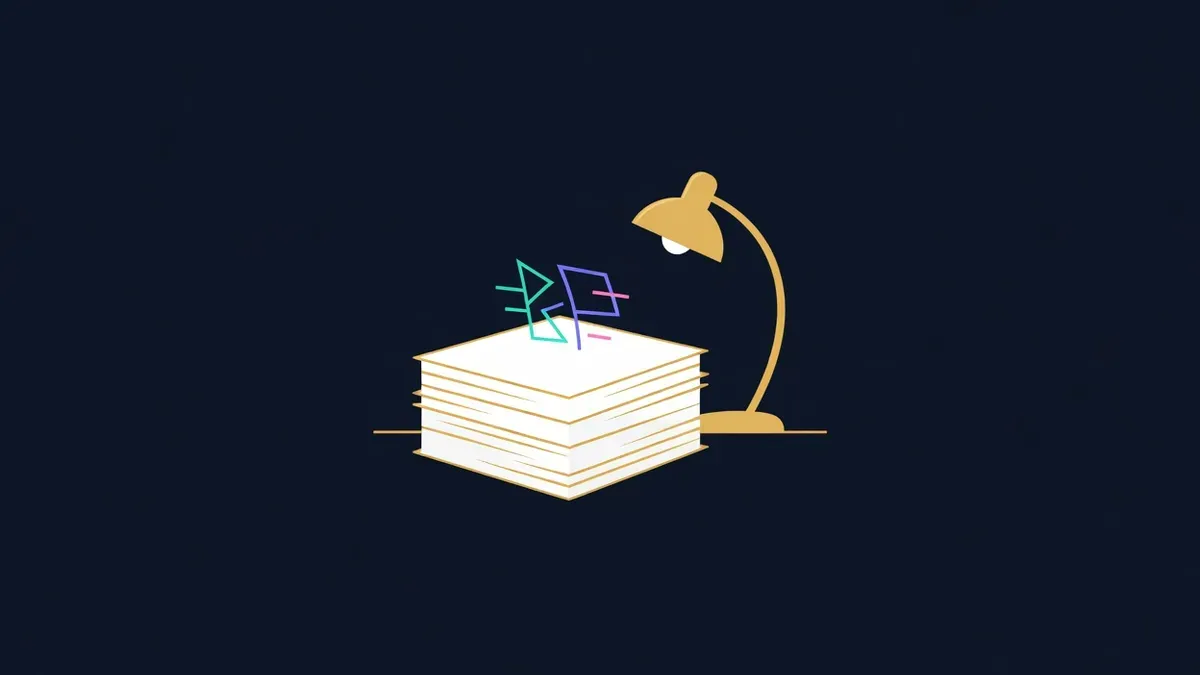
The original Bitcoin whitepaper was nine pages long and changed an industry. Many whitepapers since have been fifty pages of buzzwords, recycled diagrams and vague promises. Readers have noticed. A whitepaper today earns attention when it explains a real problem, a clear design and honest trade-offs in language people can follow.
Know who the paper is for
Different readers want different things:
- Technical readers want architecture, security assumptions and mechanism details
- Potential users want to know what the product does and how to use it
- Investors and partners want the problem, market and token design
- Journalists and researchers want clear claims they can quote and check
One document can serve several audiences if it has a clear structure and a short summary at the start.
A structure that works
A practical outline:
- Summary. One page explaining the problem, the solution and the role of any token.
- Problem. What is broken today and for whom, with evidence.
- Design. How the system works, with diagrams.
- Security model. Assumptions, trust points and known risks.
- Token design. Supply, allocations, vesting and uses, if a token exists.
- Governance. Who controls what and how that changes over time.
- Roadmap. Delivered milestones and planned work, with honest timelines.
- Risks. Technical, market, regulatory and operational risks.
- References. Sources for data and prior work.
Write plainly
Plain language shows confidence. Replace abstract claims with concrete ones:
| Vague | Plain |
|---|---|
| A next generation decentralised coordination layer | A protocol that lets freelancers get paid on completion of verified milestones |
| Unmatched scalability | Designed to process transfers in batches posted to Ethereum every few minutes |
| Community-owned ecosystem | Token holders vote on treasury spending above a set threshold |
Define terms the first time you use them. Keep sentences short. Use headings so readers can jump to what they care about.
Use diagrams carefully
Good diagrams explain flows that text makes hard to follow: how funds move, how messages pass between chains or how governance proposals progress. Keep diagrams simple, label every arrow and make sure the diagram matches the text exactly.
Be honest about risks and trade-offs
A risks section builds credibility. Explain what could go wrong and what the design does to limit it. Discuss trade-offs openly, such as speed versus decentralisation or simplicity versus flexibility. Readers trust teams that acknowledge limits.
Avoid statements about token price, returns or guaranteed value. They create legal risk and undermine the rest of the document.
Keep it versioned
Whitepapers change as projects evolve. Add a version number and date, and keep older versions available with a changelog. Readers comparing versions will appreciate transparency about what changed and why.
Supporting materials
A whitepaper works best alongside:
- A shorter litepaper or overview page
- Technical documentation for developers
- A token page with live data
- An FAQ covering common questions
Link them together so readers can go deeper or skim as they prefer.
Get outside review before publishing
Ask a few people outside the team to read the draft: one technical reader, one potential user and one person with legal or compliance experience. Ask each to mark anything confusing, exaggerated or missing. Outside readers spot assumptions the team no longer notices. Fixing those points before publication is far easier than answering the same questions in public for months.
Make it findable
Host the whitepaper on your own domain, link it from your website header or footer and from official profiles. People searching for your project should reach the real document, not a copy hosted elsewhere. Consistent official links across your site, docs and profiles such as a Proud Globe pin help with that.
Educational content only. Nothing here is financial, legal or tax advice. Crypto assets carry risk, so check the details for your own situation.