Token Launches
Governance Launch: Handing Control to Token Holders
How projects can launch token governance responsibly, including what to decentralise first, proposal processes, delegation, safeguards and building real participation.

Many tokens promise governance: holders will decide the future of the protocol. In practice, handing control from a founding team to token holders is difficult. Launch governance too early and a small group of whales or an attacker can capture decisions. Launch it too late, or only on paper, and holders see governance as theatre. A thoughtful governance launch builds real participation while protecting the project.
Decide what governance controls
Governance can cover many decisions:
| Area | Example decisions |
|---|---|
| Treasury | Grants, budgets, investments |
| Protocol parameters | Fees, interest rates, collateral settings |
| Upgrades | Contract changes and new deployments |
| Emissions | Reward rates and distribution |
| Partnerships | Integrations requiring treasury funds |
| Governance rules | Quorum, thresholds and processes |
Start with lower-risk areas, such as grants or community budgets, before handing over control of critical contracts.
Design the proposal process
A clear process helps holders participate and reduces surprises:
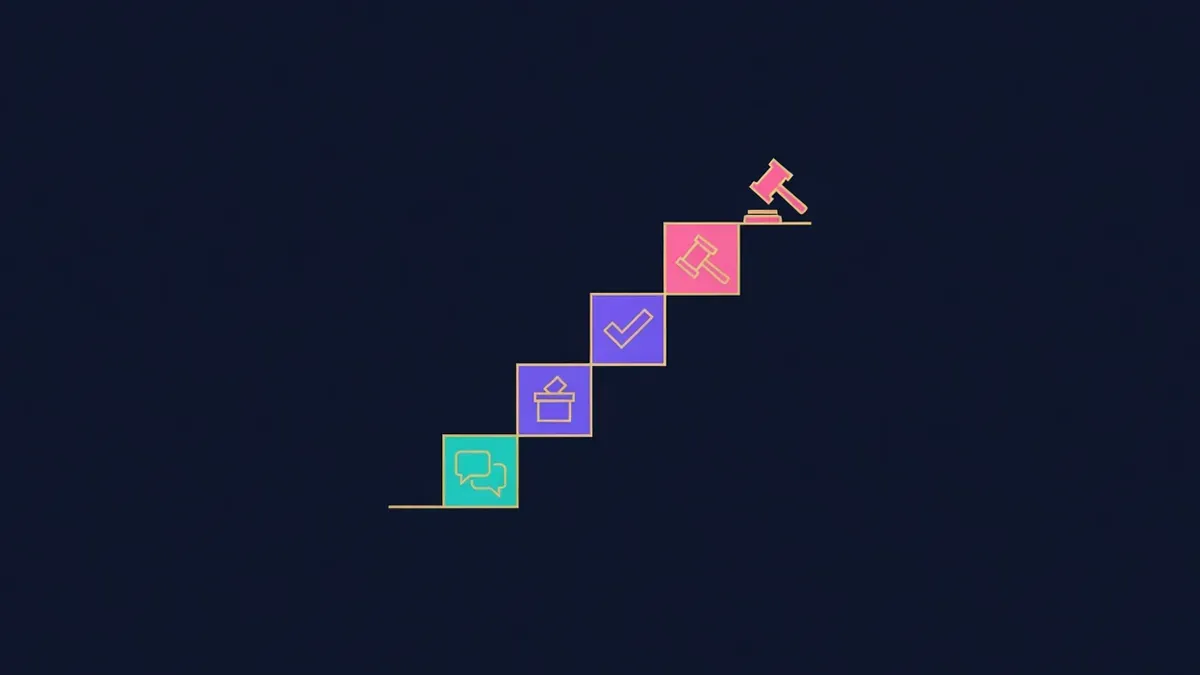
- Discussion. A forum post explaining the idea, open for feedback
- Temperature check. An informal signal vote to gauge support
- Formal proposal. Final text with specific changes and effects
- Voting period. Defined length, quorum and threshold
- Timelock. A delay before execution so users can react
- Execution. Changes applied on-chain or by designated parties
Publish templates so proposals are consistent and easy to evaluate.
Encourage delegation
Most holders will not vote on every proposal. Delegation lets them assign voting power to people who follow governance closely. Healthy delegation needs:
- A public list of delegates with statements of their views
- Easy delegation in the governance interface
- Regular reports from delegates on how they voted and why
- The ability to change delegation at any time
Active delegates can make governance far more informed than scattered individual votes.
Build safeguards
Governance can be attacked or misused. Safeguards include:
- Timelocks that delay execution of passed proposals
- Quorum requirements so tiny groups cannot pass changes
- Snapshot blocks set before proposals to prevent borrowed voting power
- Guardian roles able to pause dangerous actions for a limited period, with clear rules for removal
- Proposal thresholds requiring a minimum amount of tokens to submit proposals
Explain safeguards openly, including any powers the team retains, and set a plan for reducing them over time.
Address voting power concentration
Token-weighted voting gives large holders more influence. Projects address this through broad distribution, delegation, participation incentives and, in some designs, alternative voting mechanisms for certain decisions. Be transparent about concentration so holders understand the real distribution of power.
Build participation
Governance participation often starts low. Encourage it by:
- Explaining proposals in plain language summaries
- Hosting community calls to discuss major proposals
- Recognising active delegates and contributors
- Keeping voting simple and gas-efficient
- Following through on results quickly
Participation grows when holders see that votes change outcomes.
Protect voters from phishing
Governance attracts fake voting sites. Remind holders that voting only requires signing a message or a governance transaction, and that official voting links appear only on the project website.
Review governance regularly
Governance systems need maintenance like any other part of a protocol. Every few months, review participation rates, proposal quality, delegate activity and any close calls, such as proposals that nearly passed with low turnout. Adjust thresholds, timelines or processes through governance itself where possible. Publishing these reviews shows holders that the system is being cared for and invites suggestions for improving it.
Make governance visible
Governance is healthier when holders can easily find accurate information. Keep governance forums, voting portals and treasury addresses linked from your official website and consistent across public profiles such as a Proud Globe pin, so new holders know where legitimate decisions happen.
Educational content only. Nothing here is financial, legal or tax advice. Crypto assets carry risk, so check the details for your own situation.