Crypto Around the World
Crypto On-ramps and Off-ramps Around the World
How people move between local money and crypto around the world, the main on-ramp and off-ramp options, their costs and risks, and what builders should know.
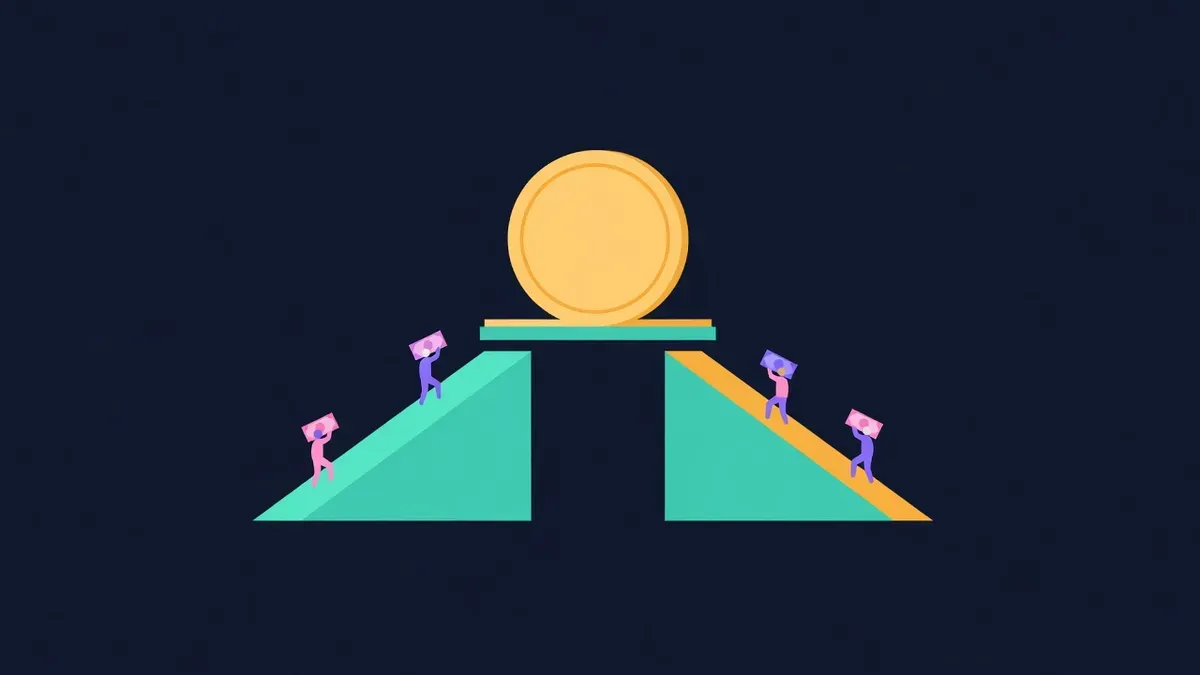
Crypto transfers can move across the world in minutes, but most people still earn and spend in local currency. On-ramps convert local money into crypto, and off-ramps convert crypto back into local money. Their availability, cost and reliability vary enormously by country, and they shape crypto adoption more than almost any technical factor.
This article gives a general overview. Options and rules change often, so check current local conditions.
The main types of ramps
| Ramp type | How it works | Common strengths | Common risks |
|---|---|---|---|
| Centralised exchanges | Deposit local currency, buy crypto, withdraw | Liquidity, many assets | Account freezes, verification requirements |
| Card purchases | Buy crypto with a debit or credit card | Fast and familiar | Higher fees, card declines |
| Peer-to-peer markets | Trade directly with individuals, often through escrow | Works where banks limit exchanges | Scams, payment reversals |
| Local agents and shops | Exchange cash for crypto in person | Accessible without bank accounts | Trust, safety and pricing |
| Crypto ATMs | Machines selling or buying crypto for cash | Convenient in some cities | High fees, scam targeting |
| Payment apps with crypto features | Buy and sell inside fintech apps | Simple interfaces | Limited withdrawal options in some apps |
| Mobile money integrations | Convert between mobile money balances and crypto | Reaches unbanked users | Availability varies |
Why ramps differ by country
Several factors explain the variation:
- Banking access. Some regions have limited bank account ownership.
- Regulation. Rules may restrict exchanges or require extensive verification.
- Currency controls. Limits on foreign currency affect conversion.
- Payment infrastructure. Instant payment systems make exchange deposits easier.
- Market demand. Larger markets attract more services and competition.
In some countries, users choose between many regulated exchanges. In others, peer-to-peer markets become the main route.
Costs to watch
Total cost includes more than advertised fees:
- Deposit fees for local currency
- Trading fees or spreads
- Withdrawal fees for crypto
- Network gas fees
- Off-ramp fees and bank transfer charges
- Exchange rate differences from official rates
Comparing only one fee can hide expensive steps elsewhere.
Peer-to-peer risks
Peer-to-peer markets are essential in many regions but carry specific risks:
- Buyers reversing bank payments after receiving crypto
- Fake payment confirmation screenshots
- Scammers impersonating traders outside escrow systems
- Frozen bank accounts linked to disputed transactions
Using escrow systems on reputable platforms, trading with established counterparties and never completing trades outside the platform reduce risk.
What builders should know
Products serving global users benefit from understanding ramps:
- Choose networks and stablecoins that popular local exchanges support
- Explain how users can get the tokens and gas they need
- Link to reputable options rather than unverified services
- Design payment flows that accept exchange withdrawals
- Avoid assuming every user has a card or bank account
Safety tips for users
- Use reputable platforms with clear support channels
- Start with small amounts on new services
- Verify official apps and websites
- Keep records of trades and conversions
- Be cautious of offers with rates far better than the market
Watch for changes
On-ramp options change quickly. Exchanges enter and leave markets, payment partners change and regulators update rules. Builders who recommend specific ramps in guides should review those recommendations regularly and date them clearly. Outdated advice can send users to services that no longer operate in their country, or to impostor apps that took over abandoned names.
Building for the edges
Where ramps are difficult, stablecoin payments between people and businesses can reduce how often users need to convert at all. Proud Globe accepts USDC and USDT on networks widely supported by major exchanges, so buyers in many countries can pay for a tile directly from an exchange withdrawal without converting back to local money first.
Educational content only. Nothing here is financial, legal or tax advice. Crypto assets carry risk, so check the details for your own situation.