Token Launches
Market Makers: Questions to Ask Before Signing
What crypto market makers do for new tokens, common deal structures such as token loans and options, and the questions teams should ask before signing any agreement.
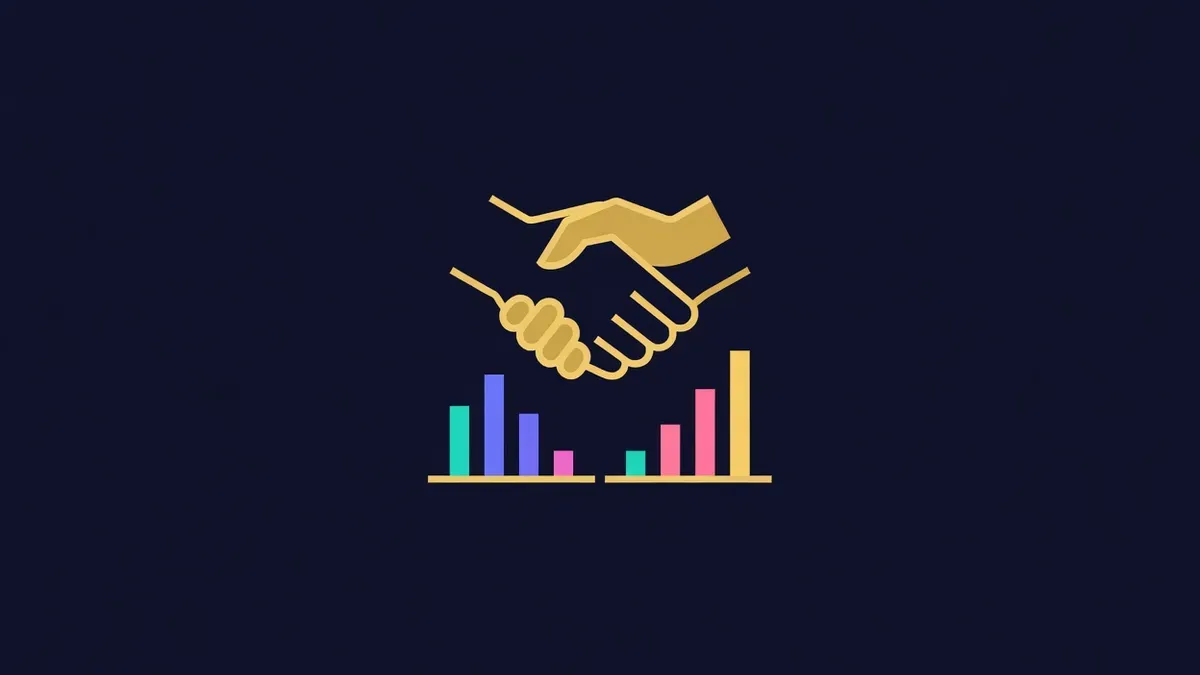
New tokens often struggle with thin trading. Prices jump on small orders, spreads are wide and exchanges may expect healthy activity before listing. Market makers offer to fix that by placing buy and sell orders continuously. A good market maker can make trading smoother for everyone. A poorly structured deal can quietly work against the project and its holders.
This article explains common structures and the questions worth asking. It is general information and not legal or financial advice.
What market makers do
A market maker provides liquidity by quoting prices on both sides of the order book. Their activity can:
- Narrow the spread between buy and sell prices
- Reduce price impact for ordinary trades
- Keep order books active across several exchanges
- Help meet exchange liquidity expectations
Market makers earn money from spreads, fees or deal terms with the project. Understanding how they get paid is essential.
Common deal structures
| Structure | How it works | Points to understand |
|---|---|---|
| Retainer | Project pays a fixed monthly fee | Clear cost, performance needs defined targets |
| Token loan | Project lends tokens for the market maker to trade with | What happens to the tokens at the end |
| Token loan with options | Market maker can buy loaned tokens at set prices later | Incentives if the price moves above or below strikes |
| Profit share | Market maker keeps part of trading profits | Transparency of reporting |
| Project-funded inventory | Project provides both tokens and stablecoins | Custody and reporting controls |
Token loans with call options are common. They can create incentives that are not always aligned with long-term holders, especially if large amounts of borrowed tokens can be sold into the market.
Questions to ask before signing
About the service
- Which exchanges and pairs will you support?
- What spread and depth targets will you commit to in writing?
- How much uptime do you guarantee for quotes?
- How do you behave during high volatility?
About incentives
- How exactly do you earn money under this agreement?
- If tokens are loaned, can you sell them, and under what limits?
- What happens if the price falls far below or rises far above option strike prices?
- Do you trade our token on your own account outside the agreement?
About transparency
- What reports will you provide, and how often?
- Will you share wallet addresses and exchange accounts used?
- Can we audit trading activity if concerns arise?
About exit
- How long is the term, and how can either side end it?
- How and when are loaned tokens returned?
- What happens to inventory if the relationship ends early?
Red flags
Be cautious if a market maker:
- Promises price increases or specific price levels
- Refuses to put performance targets in writing
- Asks for a large share of supply with vague terms
- Offers to create volume through trades between its own accounts
- Cannot provide references from projects that stayed healthy
- Pressures you to sign quickly before a listing
Wash trading and price manipulation can create legal risk and damage trust permanently.
Disclose relevant arrangements
Holders increasingly expect to know whether a project has market making agreements and roughly how they are structured, especially token loans that could affect supply. Consider disclosing key terms in your token documentation, such as loan sizes and durations.
Monitor after signing
Once a market maker starts, monitor:
- Spreads and depth on each exchange
- Unusual price movements around option strike levels
- Large transfers from wallets associated with the market maker
- Report accuracy compared with observed on-chain and exchange data
Review performance monthly and raise issues early.
Liquidity is one part of a launch
Market making can improve trading conditions, but it cannot replace product progress or community trust. Keep official information clear, including contract addresses, supported exchanges and token documentation, across your website and public profiles such as a Proud Globe pin, so holders can verify details for themselves.
Educational content only. Nothing here is financial, legal or tax advice. Crypto assets carry risk, so check the details for your own situation.