Token Launches
Token Naming and Ticker Conflicts
How to choose a token name and ticker that avoids conflicts with existing tokens, reduces scam confusion, fits exchange requirements and stays consistent across chains.

A token's ticker appears everywhere: exchange order books, wallet balances, price charts, social posts and tax reports. Unlike most brand elements, tickers are short, and there are only so many good combinations. Many tokens share the same ticker across chains, which creates confusion for users and opportunities for scammers.
Choosing a name and ticker carefully saves trouble later.
Why ticker conflicts matter
Ticker conflicts cause practical problems:
- User confusion. Buyers search a ticker and find several tokens.
- Scam risk. Fake tokens copy tickers to trick buyers.
- Exchange issues. Exchanges may require a different ticker if one is already listed.
- Data errors. Aggregators and portfolio tools may mix up price data.
- Legal risk. Names and tickers too close to established brands can raise trademark concerns.
Research before deciding
Check candidate tickers in several places:
- Major data aggregators, searching the exact ticker
- Popular decentralised exchange token searches on your target chains
- Centralised exchanges where you hope to list
- Block explorers for tokens with the same symbol
- Trademark databases for the project name
Some duplicate tickers belong to abandoned tokens with no trading. Others belong to active projects. Avoid tickers used by any token with meaningful activity.
What makes a good ticker
| Quality | Why it helps |
|---|---|
| Three to five characters | Standard format supported everywhere |
| Related to the project name | Easy to connect ticker and project |
| Distinctive letter combination | Fewer existing conflicts |
| Easy to say and type | Helps in conversation and search |
| No confusing characters | Avoids mix-ups between similar letters and numbers |
Very short tickers are prestigious but almost always taken. A slightly longer distinctive ticker usually serves a new project better.
Consistency across chains
Multichain tokens should use the same name, ticker and decimals across networks where possible. Bridged versions sometimes get prefixes or suffixes added by bridges or exchanges, which can confuse users. Document every official contract address per chain and explain any naming differences.
Name and symbol in the contract
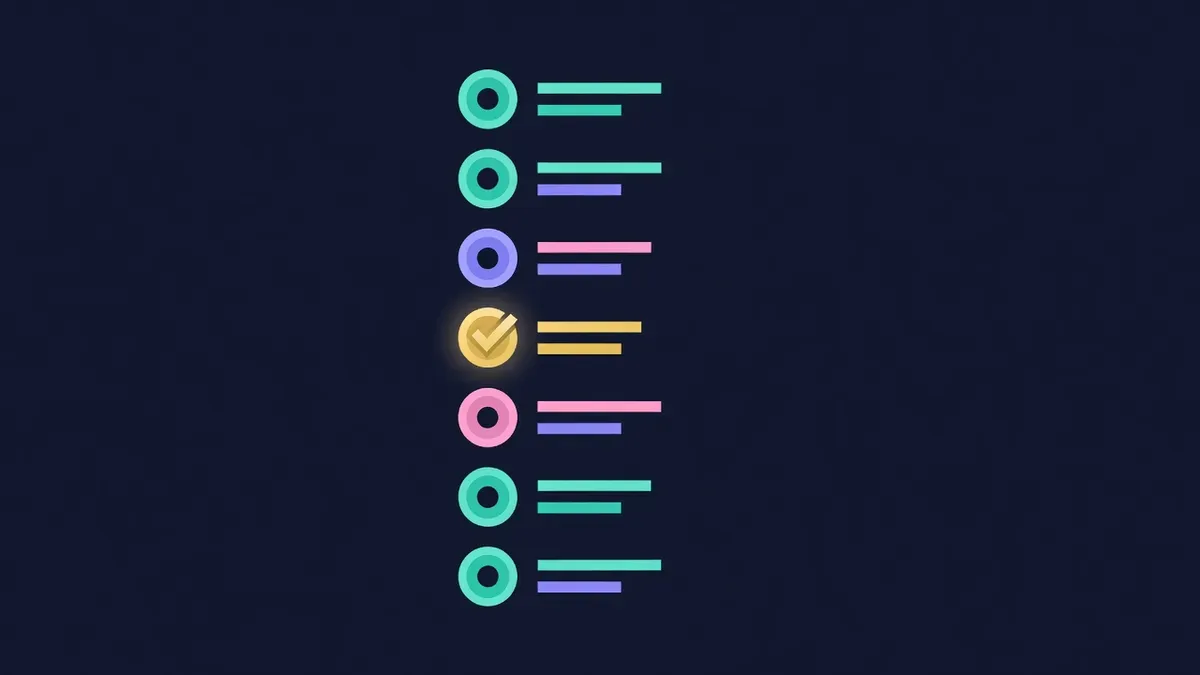
The token contract stores a name and symbol. Once deployed, many token contracts cannot change them. Double-check spelling, capitalisation and symbol before deployment. Some teams have launched with typos that remained permanently visible in wallets and explorers.
Plan for impersonation
Even with a distinctive ticker, scammers will create copies after launch. Prepare:
- Publish the official contract address before or at launch
- Submit to token lists so wallets show a verified logo and name
- Ask data aggregators to list the correct contract
- Warn users to search by contract address rather than ticker
- Report fake tokens to token list maintainers and aggregators
Exchange requirements
Centralised exchanges sometimes ask projects to change or modify tickers if a conflict exists on their platform. Research major target exchanges during naming so you are not forced into a different ticker for different venues.
Trademark considerations
If your project name or ticker closely resembles a well-known company or brand, you may face disputes. A basic trademark search and advice from a lawyer can prevent costly rebrands. Choosing a unique name also makes marketing easier.
Make the official token easy to find
Clear naming works best with consistent official information. Keep the contract address, ticker and logo identical across your website, docs, token lists and public profiles such as a Proud Globe pin, so users can confirm they are looking at the real token rather than a lookalike.
Educational content only. Nothing here is financial, legal or tax advice. Crypto assets carry risk, so check the details for your own situation.