On-chain Culture
The Rise of On-chain Games
How on-chain games developed from simple collectibles to complex worlds, what makes them different from traditional games, and the design lessons learned along the way.
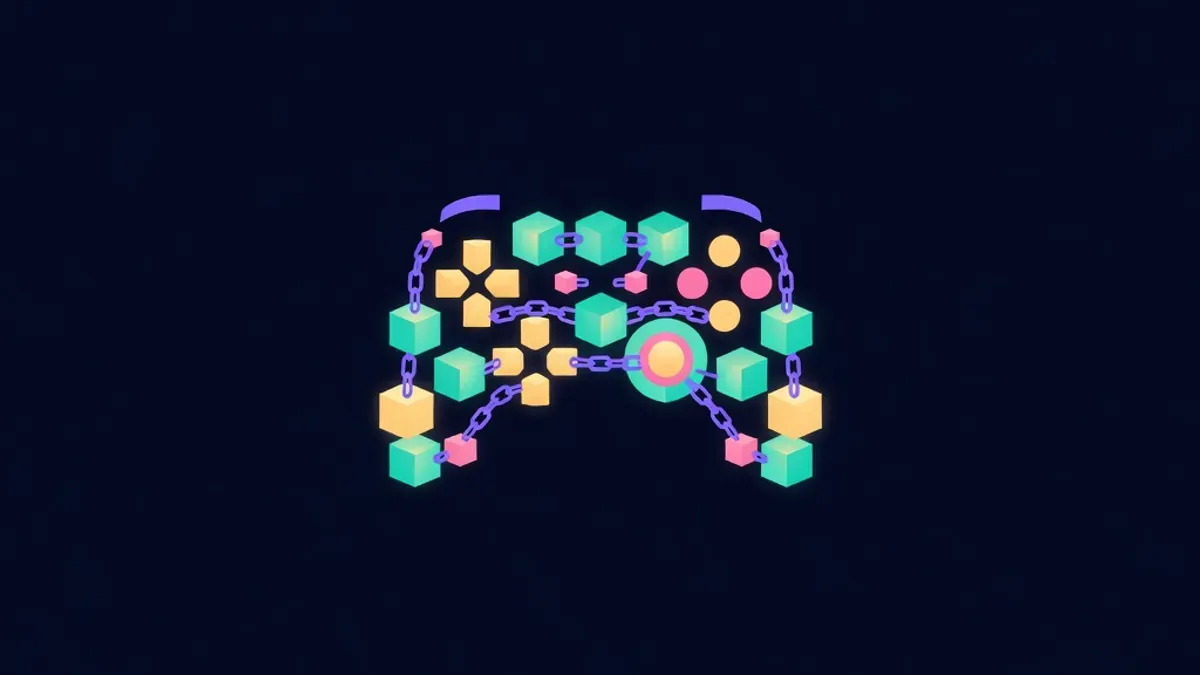
Games were among the first things people built on programmable blockchains. Early experiments with digital pets and collectible characters showed that players enjoyed owning unique items recorded on-chain. Since then, on-chain games have ranged from simple collectibles to strategy worlds, trading card games and fully on-chain simulations. That history has included hype cycles, failures and genuinely new ideas about what games can be.
What makes a game on-chain
Games use blockchains in different ways:
| Approach | What lives on-chain | Example uses |
|---|---|---|
| Asset ownership | Items, characters or land as tokens | Trading, collecting |
| Hybrid games | Key assets on-chain, gameplay off-chain | Most commercial blockchain games |
| Fully on-chain games | Game rules and state in smart contracts | Autonomous worlds, strategy games |
| On-chain achievements | Records of accomplishments | Badges, tournaments |
Fully on-chain games are the most experimental. Their rules keep running as long as the blockchain exists, and anyone can build extensions or clients.
Early experiments
Early blockchain games focused on collectibles and breeding mechanics. Players bought, bred and traded digital creatures. These games proved demand for digital ownership but also exposed network limits, since popular games could congest blockchains and raise fees.
The play-to-earn wave
A later wave promoted play-to-earn models, where players earned tokens through gameplay. In some regions, earnings became a meaningful source of income for a period. Many of these economies depended on constant growth in new players. When growth slowed, token prices fell and earnings collapsed.
The lesson was clear: games built mainly around earning tend to become jobs rather than fun, and their economies struggle when new money stops flowing.
A shift toward fun and ownership
Many builders shifted focus to games that are enjoyable first, with blockchain features supporting the experience:
- Ownership of cosmetic items that players value
- Player-created content with verifiable authorship
- Open economies where items can move between players
- Communities able to build on game rules
Better scaling solutions and low-fee networks made frequent on-chain actions practical.
Autonomous worlds
Fully on-chain game builders explore ideas such as autonomous worlds: persistent environments whose rules live entirely in smart contracts. Players, modders and developers can create new interfaces, tools and even game modes without permission from the original creators.
These projects are often small and experimental, but they point toward games that behave more like shared public spaces than products controlled by one company.
Design lessons
The history of on-chain games suggests several lessons:
- Gameplay must be enjoyable without financial rewards
- Sustainable economies need sinks as well as rewards
- Low fees and fast confirmations are essential for frequent actions
- Onboarding must hide complexity for new players
- Scarcity works best when tied to meaningful in-game value
- Communities and modders can extend a game's life
Maps, land and territory
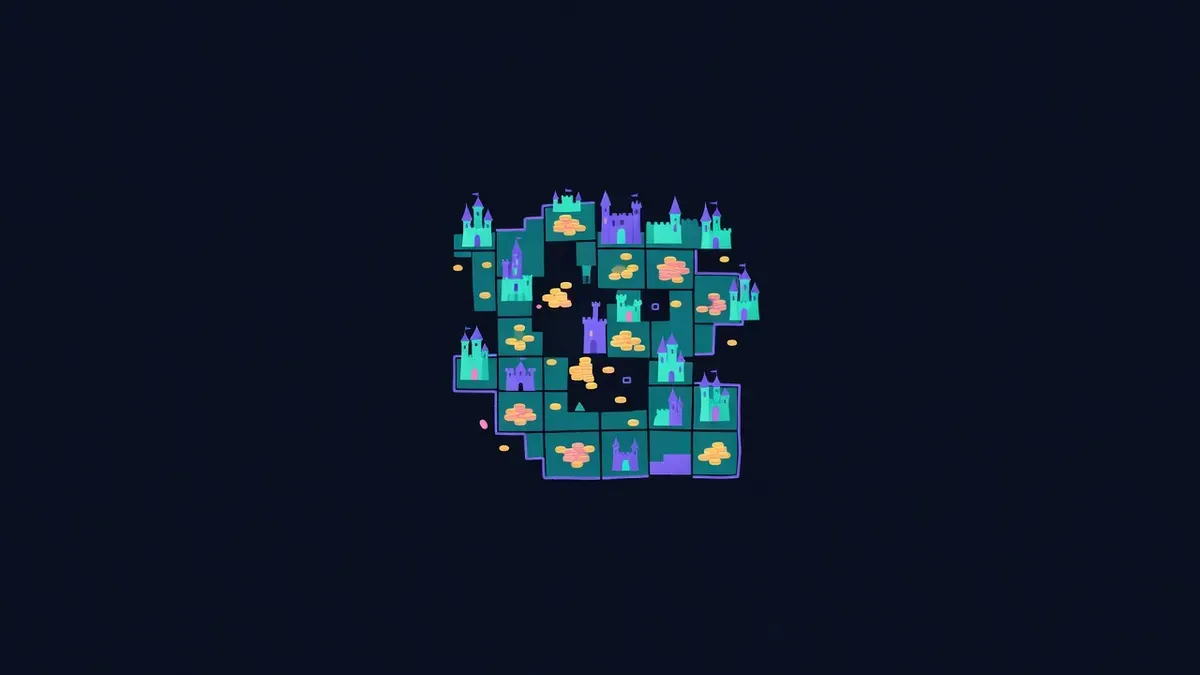
Many on-chain games revolve around maps and territory: claiming land, building bases or controlling regions. Territory creates natural goals, conflict and cooperation. It also connects to the broader culture of digital land and shared spaces.
Games as community hubs
Successful games often become social hubs where guilds, clans and friends gather. Gaming guilds and on-chain game communities frequently plant their banners in shared public spaces. Some mark their home base with a pin on the Proud Globe, turning a real-world location into a meeting point for players spread across many time zones.
Educational content only. Nothing here is financial, legal or tax advice. Crypto assets carry risk, so check the details for your own situation.