On-chain Culture
Collaborative Canvases and Shared Online Art
How collaborative canvases like pixel boards turn strangers into temporary communities, what makes them work, and what crypto projects can learn from them.
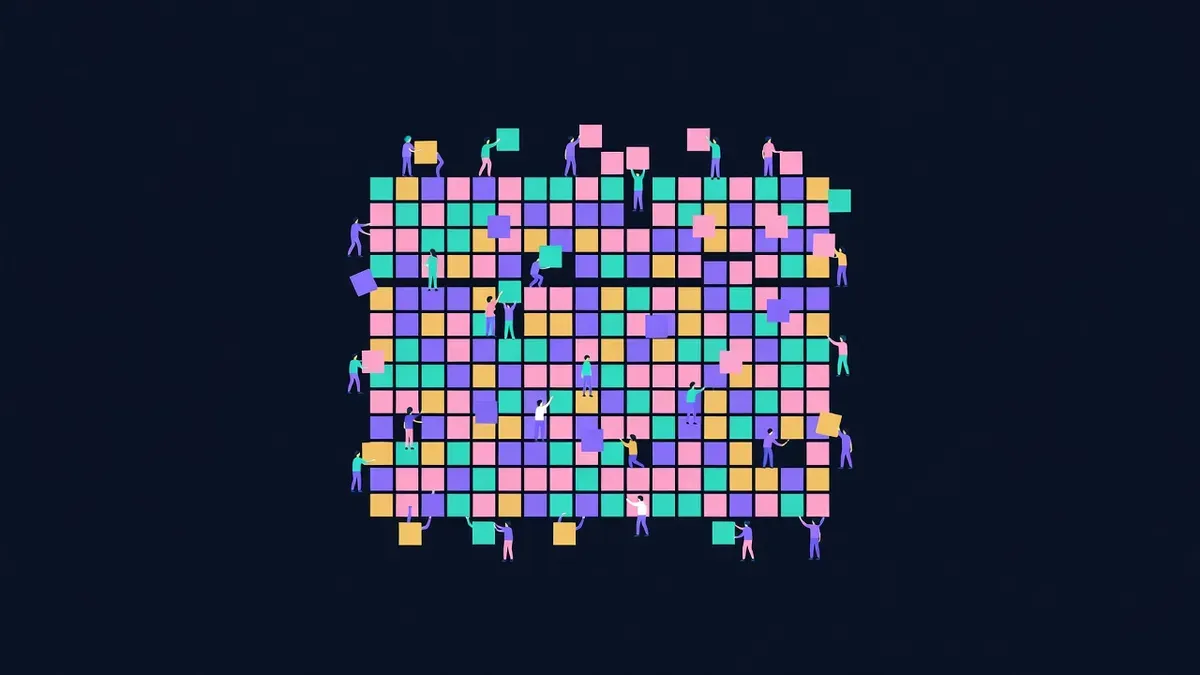
Some of the internet's most memorable moments came from giant shared canvases. Millions of people placed one pixel at a time, forming alliances, defending territory and creating artwork no single person planned. These experiments showed how quickly strangers organise when they share a limited space and a common goal.
For crypto builders, collaborative canvases offer lessons about scarcity, coordination, identity and the joy of leaving a mark together.
How collaborative canvases work
Most collaborative canvases follow simple rules:
- A fixed grid of pixels or tiles
- Each participant can place a limited number of pixels over time
- Anyone can overwrite existing pixels, unless rules prevent it
- The canvas runs for a set period or indefinitely
- Everyone sees changes in real time
Simple rules create complex behaviour. Because each person has limited power, individuals must coordinate with others to create anything lasting.
What happens on the canvas
Patterns repeat across canvas experiments:
| Behaviour | What it shows |
|---|---|
| Communities claim territory | Groups want visible identity |
| Flags and logos appear first | Belonging is the strongest motivator |
| Alliances form between neighbours | Cooperation beats constant conflict |
| Raids overwrite rival art | Competition adds drama and energy |
| Collaborative murals emerge | Shared culture creates bigger works |
| Communities repair damage together | Defence strengthens group bonds |
Flags of countries, logos of games, fandom symbols and memes often dominate. People use shared space to say "we were here".
Why people care so much
Canvas participants invest hours placing pixels that may be overwritten minutes later. Several motivations explain it:
- Identity. Representing a community in public feels meaningful.
- Contribution. Each pixel is a small, visible act.
- Coordination. Working with a group toward a shared goal is satisfying.
- Scarcity. Limited space makes every claimed area valuable.
- Memory. The final canvas becomes a snapshot of internet culture at a moment in time.
Blockchain versions
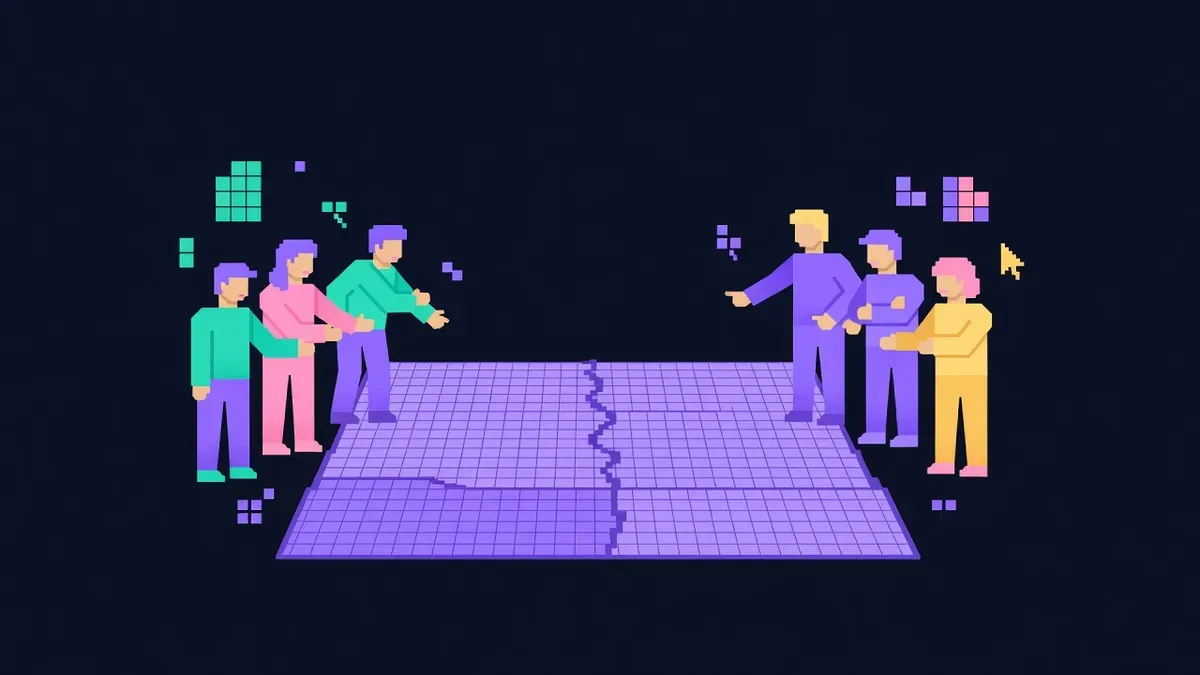
Several blockchain projects turned the idea into on-chain experiments, recording each pixel placement as a transaction. That creates a verifiable history of the entire canvas and who contributed. Some projects let participants own pixels, while others kept the collaborative, overwritable spirit.
On-chain versions add permanence and verification, but costs and speed can limit how many people take part. Low-fee networks make these experiments more accessible.
Lessons for crypto projects
Collaborative canvases teach practical lessons:
- Simple rules invite participation. Complex systems scare people away.
- Visible progress drives engagement. People return to see what changed.
- Identity matters more than rewards. Many participants want representation more than tokens.
- Scarcity must feel fair. Rules should apply equally to everyone.
- Moderation is necessary. Shared spaces attract offensive content and require clear policies.
Projects designing community experiences can apply these lessons to quests, galleries, maps and events.
Permanent spots versus overwritable space
Canvas designs differ in whether contributions last. Overwritable canvases create constant activity and conflict. Permanent spots create calm, lasting records but less drama.
A mix often works: a time-limited collaborative event for energy, followed by a permanent record of the final result.
The globe as a canvas
Proud Globe applies some of these ideas to a globe instead of a flat grid. Each of the 2,030 tiles belongs to one project or community for twelve months, so pins stay put, while neighbours, colours and Landmarks still turn the globe into a shared picture of who is building where. You can explore the current picture on The Wall or pick your own spot on the claim page.
Educational content only. Nothing here is financial, legal or tax advice. Crypto assets carry risk, so check the details for your own situation.