Token Launches
Choosing a Chain for Your Token Launch
How to choose a blockchain for a token launch by comparing fees, users, liquidity, tooling, bridges and security, with questions that narrow the choice quickly.
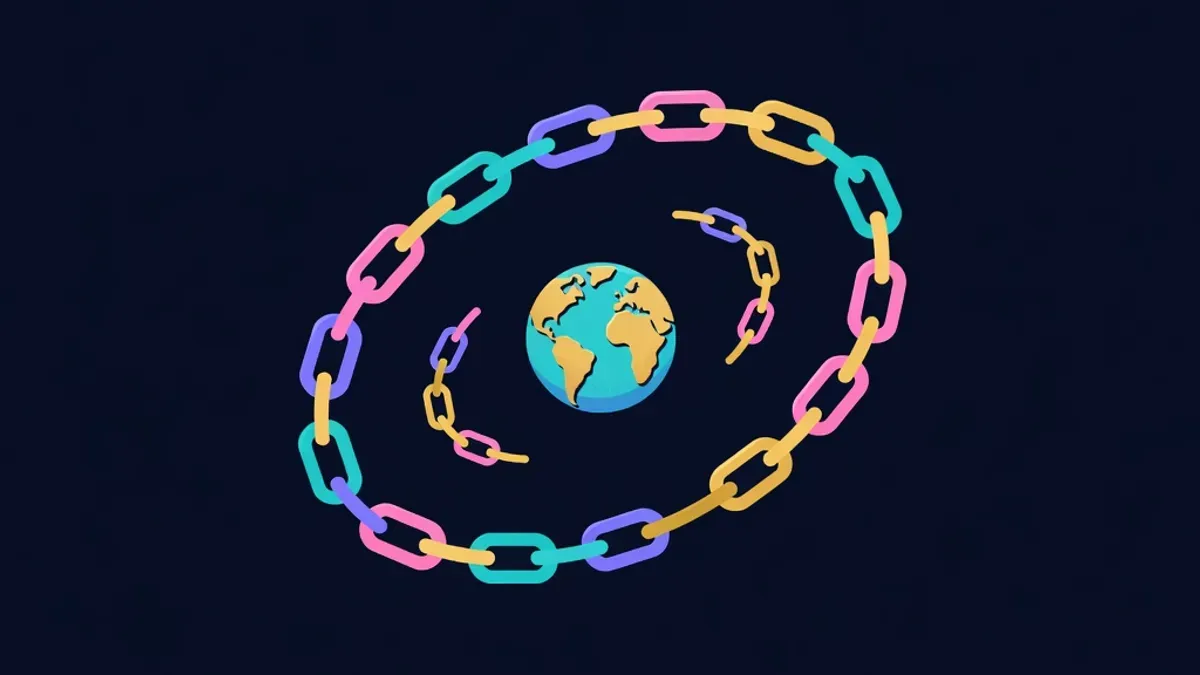
The chain you launch on shapes almost everything that follows: what users pay to trade, which wallets they use, where liquidity comes from and which tools your developers can rely on. Moving a token later is possible but painful, so the choice deserves more thought than "whatever is popular this month".
Start with your users
The most important question is where your intended users already are. If your product serves people who use a particular wallet or app, launching on the chain that app supports removes friction. Asking users to bridge funds before they can buy loses a large share of them.
Look at where your community holds assets today. A quick poll, a look at on-chain activity for similar projects or conversations with partners usually makes the answer clear.
Compare fees and user experience
Transaction fees affect how often people interact with your token. On networks with low fees, users can make small trades, claim rewards frequently and try features without worrying about cost. On networks with higher fees, activity concentrates in fewer, larger transactions.
Look at the whole experience beyond fees:
- How long do transactions take to confirm?
- Do popular wallets support the chain by default?
- Can users buy the gas token easily on common exchanges?
- Are stablecoins like USDC available natively?
Liquidity and trading venues
A token needs places to trade. Check which decentralised exchanges operate on each candidate chain, how much volume they handle and whether aggregators route trades through them. Some chains have deep stablecoin liquidity, which makes pairs with USDC more practical.
If you hope to list on centralised exchanges, check which networks they support for deposits and withdrawals of new tokens.

Tooling and developer experience
Your developers need reliable infrastructure: RPC providers, block explorers with contract verification, indexing services, testing frameworks and security tools. EVM-compatible chains share most of this tooling, which makes development faster and audits easier to source.
Non-EVM chains can offer advantages in speed or cost, but may require specialised developers and auditors. Factor that into your timeline and budget.
Security and decentralisation
Different chains make different trade-offs. Some layer 2 networks inherit security from Ethereum but rely on specific operators for sequencing. Some independent chains have fewer validators. Read each chain's documentation on how blocks are produced, how upgrades happen and what happens if something goes wrong.
For a small project, the practical question is whether the chain has a track record of staying online and handling incidents transparently.
Bridges and multichain plans
Many projects plan to expand to more chains later. That usually means bridging, which introduces smart contract risk and can confuse users with multiple versions of the token. If multichain matters to you, plan the canonical token contract and bridge approach before launch, and document which addresses are official on every chain.
A short decision table
| Question | Why it matters |
|---|---|
| Where do our target users hold funds? | Reduces bridging and drop-off |
| What will a typical user transaction cost? | Shapes how often people interact |
| Is there stablecoin liquidity? | Makes trading pairs practical |
| Can we hire auditors familiar with this chain? | Affects cost and timeline |
| Do major wallets support it by default? | Reduces setup friction |
| What is our plan for other chains? | Avoids messy token versions later |
Make the choice visible
Once you decide, state the chain clearly everywhere: website, docs, social bios and listings. Many scam tokens exploit confusion about which chain is official. Proud Globe accepts payments on six EVM networks for the same reason many projects launch on them, and every pin page lets you show your official link in a consistent place.
Educational content only. Nothing here is financial, legal or tax advice. Crypto assets carry risk, so check the details for your own situation.