Stablecoins and Payments
Accepting Crypto Donations on a Website
How creators, open source projects and nonprofits can accept crypto donations on a website, with address display, QR codes, network choices, transparency and safety tips.
Crypto donations let supporters anywhere in the world contribute quickly, without card fees or payment platforms that exclude certain countries. Open source developers, independent writers, artists, community projects and nonprofits all use them. Setting up donations is easy. Setting them up clearly and safely takes a little more thought.
Decide what to accept
Start with a short list of assets and networks your supporters use:
- Stablecoins such as USDC or USDT for predictable value
- The native asset of a popular network, such as ETH
- One or two low-fee networks so small donations are practical
Accepting too many options creates confusion and more wallets to monitor. A few well-labelled options cover most supporters.
Use a dedicated donation wallet
Create a separate wallet for donations. It keeps donation records clean, makes transparency easier and limits exposure if something goes wrong. Protect it like any wallet that accumulates value, ideally with a hardware wallet or multisig for organisations.
Display the details clearly
A good donation section includes:
| Element | Why |
|---|---|
| Full address in text | Donors can verify it character by character |
| Copy button | Reduces typing errors |
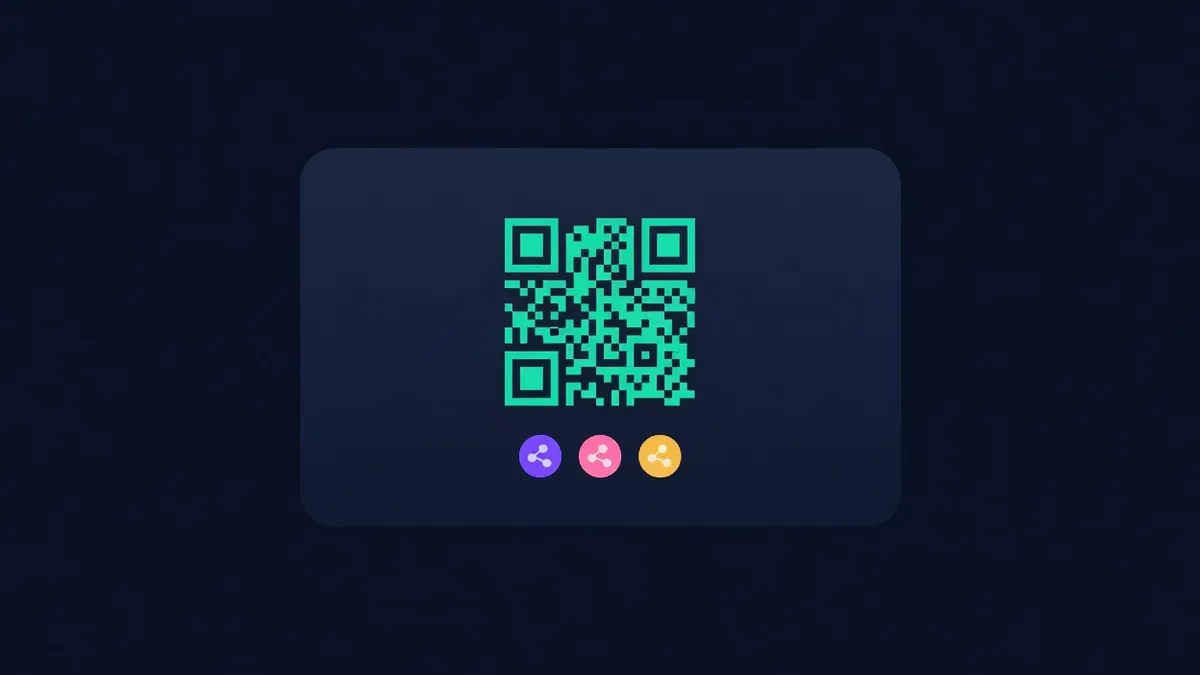
| QR code | Makes mobile wallet donations easy |
| Network names beside each address | Prevents wrong-network mistakes |
| Token list | Shows which assets are accepted |
| ENS name if available | Adds readability, alongside the full address |
Place the section on a page served from your own domain over HTTPS. Avoid posting donation addresses only as images, which are easy to swap in phishing copies.
Protect against address swapping
Attackers target donation pages because donors rarely double-check. Reduce risk:
- Publish the address in more than one official place, such as your website and a pinned social post
- Encourage donors to compare the first and last characters and a middle section
- Use a strong content security setup on your website
- Monitor your site for unexpected changes
Offer transparency
Supporters trust projects that show how donations are used. Options include:
- A public page listing the donation address so anyone can view it on an explorer
- Periodic reports on how funds were spent
- Thank-you posts that mention milestones reached
- Separate addresses for specific campaigns
Transparency is especially important for nonprofits and community funds, where donors expect accountability.
Thank donors appropriately
On-chain donations often arrive without a name. Offer optional ways for donors to be recognised, such as a form where they can share a transaction hash and a display name. Respect privacy by making recognition opt-in.
Consider tax and legal questions
Donation rules vary by country. Nonprofits may have reporting duties and may need to issue receipts. Individuals receiving donations may owe tax on them. Keep records of each donation's date, asset, amount and value at the time, and seek local advice where needed.
Beware of donation scams
Donation addresses attract scams in both directions. Fake campaigns impersonate real causes, and scammers send fake tokens to donation addresses to lure owners into interacting with malicious contracts. Never interact with unknown tokens that appear in your donation wallet.
Make your project easy to find
Donors often discover projects through community channels and directories. Consistent official information helps them trust they are donating to the right place. Many creators and open source projects add a Proud Globe pin linking to their donation page, giving supporters another independent place to confirm the official link.
Educational content only. Nothing here is financial, legal or tax advice. Crypto assets carry risk, so check the details for your own situation.