Stablecoins and Payments
Accepting Payments From Exchange Withdrawals
What merchants should know when customers pay directly from centralised exchange withdrawals, including fees, networks, delays, sender addresses and refunds.
Many crypto customers keep their funds on centralised exchanges. When they buy something with crypto, they often send payment directly from an exchange withdrawal rather than a personal wallet. For merchants, this is convenient because it widens the customer base. It also introduces specific issues around fees, networks, sender addresses and refunds.
Why customers pay from exchanges
Customers use exchange withdrawals because:
- They hold stablecoins on the exchange already
- They do not use self-custody wallets
- The exchange covers the network fee, sometimes for a flat withdrawal charge
- It feels simpler than moving funds to a wallet first
Merchants who design checkout with exchange users in mind convert more of these customers.
Common issues
| Issue | What happens |
|---|---|
| Withdrawal fee deducted from amount | Less arrives than the invoice requires |
| Wrong network selected | Payment arrives on a different chain or not at all |
| Minimum withdrawal amounts | Customer cannot send small payments |
| Withdrawal delays | Exchange processes withdrawals in batches or holds them for review |
| Shared sender addresses | Payment comes from an exchange hot wallet, not the customer |
| Memo or tag fields | Some networks and exchanges request memos, which EVM payments usually do not need |
Fees and exact amounts
Exchanges handle fees in different ways. Some add the fee on top of the amount, while others subtract it from the amount entered. If your checkout requires an exact amount, customers must make sure the received amount matches.
Explain this directly on the payment page: "Sending from an exchange? Make sure the amount that arrives is exactly 25.37 USDC after fees."
Network selection
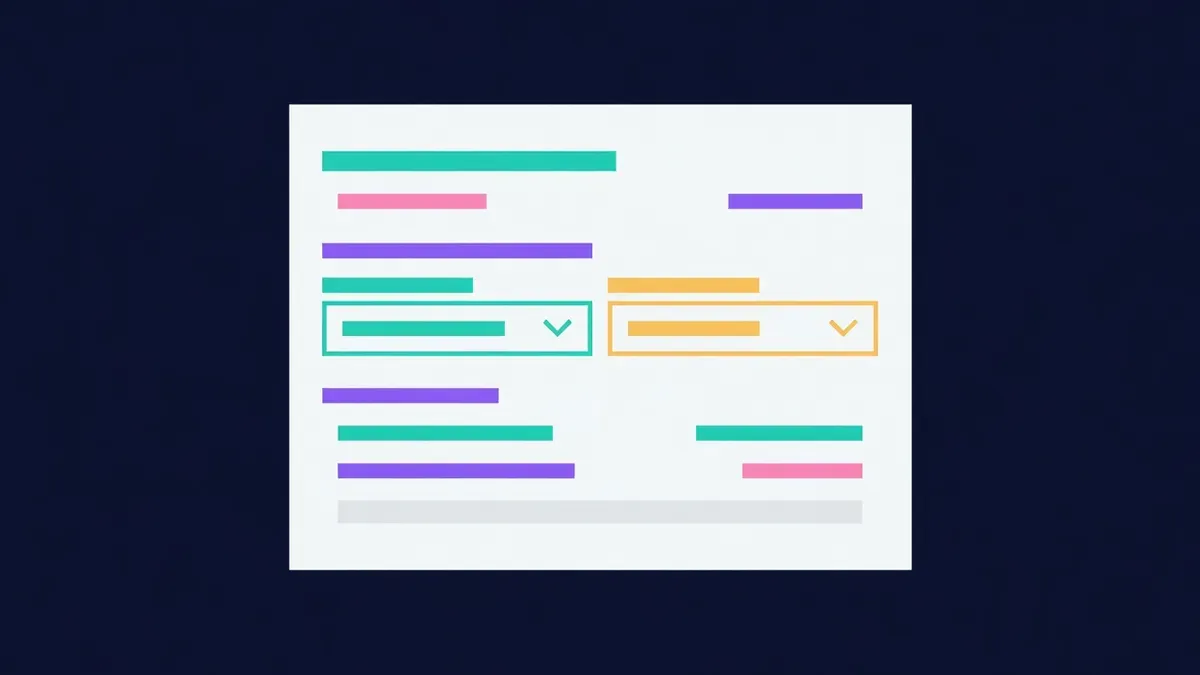
Exchange withdrawal forms often list many networks for the same token. Customers sometimes pick the cheapest network without checking what the merchant supports. Help them:
- Show the network name prominently on the payment page
- Use the same naming customers see on major exchanges where possible
- Warn that payments on unsupported networks may not be detected
Delays
Exchange withdrawals are not always instant. Security checks, batching or high traffic can delay them. Keep watching for payments beyond the reservation window, and tell customers that exchange withdrawals may take longer.
Sender addresses and refunds
Payments from exchanges usually come from exchange hot wallets shared by many users. That affects refunds:
- Sending a refund back to the sender address may not credit the customer
- The exchange may be unable to match the refund to an account
- Refunds should go to an address the customer controls, confirmed through a trusted channel
Collect a refund address only when needed and verify it carefully.
Matching payments
Because sender addresses are not unique to customers, match exchange payments by exact amount, time window and, when needed, transaction hash. A form where customers can paste the withdrawal transaction hash helps resolve unclear cases quickly.
Travel rule and compliance messages
Some exchanges ask customers for information about the recipient when withdrawing, especially for larger amounts, under local rules. Customers may ask you for business details. Decide what information you are comfortable providing and prepare a short response.
Support script
When an exchange customer reports a problem, ask for:
- Order ID
- Exchange used
- Network selected
- Withdrawal transaction hash
- Amount entered and amount received
With these details, most cases can be resolved without back-and-forth.
Designed for exchange users
Proud Globe order pages include a note for exchange users about fees and exact amounts, accept transaction hashes for manual verification and keep watching for late payments for 72 hours. You can see the instructions after you pick a tile and choose a network.
Educational content only. Nothing here is financial, legal or tax advice. Crypto assets carry risk, so check the details for your own situation.