Stablecoins and Payments
Stablecoin Depegs: What Merchants Should Know
What a stablecoin depeg is, why it happens, how it can affect merchants who accept stablecoins, and practical policies for pricing, holding and pausing during stress.
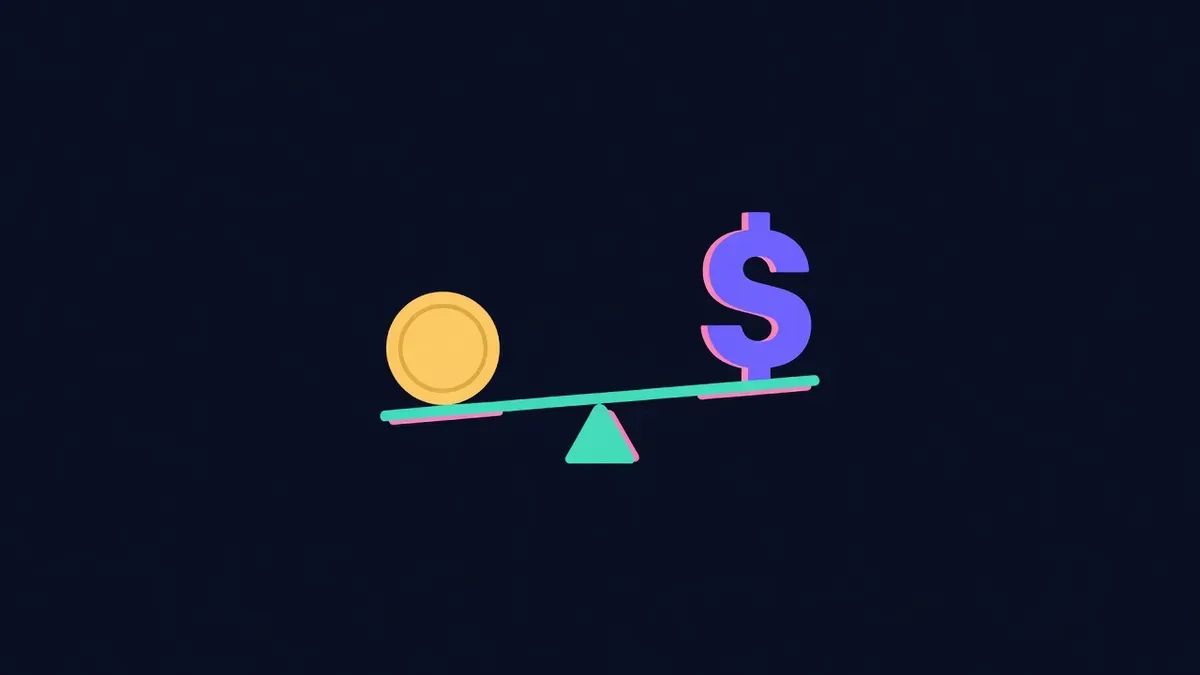
Stablecoins are designed to stay close to one US dollar. Most of the time they do, which is why merchants accept them as dollar payments. Occasionally, though, a stablecoin trades noticeably below its target, sometimes for minutes and sometimes for days. These events are called depegs. Merchants who accept stablecoins benefit from understanding them and deciding in advance how to respond.
This article is general information and not financial advice.
What a depeg is
A depeg happens when a stablecoin's market price moves away from its intended value. A dollar stablecoin trading at 0.97 has depegged by about three percent. Small deviations of a fraction of a percent happen regularly in thin markets. Larger deviations are rarer and usually linked to specific events.
Why depegs happen
Common causes include:
| Cause | How it creates a depeg |
|---|---|
| Concerns about reserves | Holders rush to sell or redeem |
| Problems at a bank or custodian holding reserves | Doubts about access to backing assets |
| Market-wide panic | Liquidity dries up and prices swing |
| Design weaknesses | Algorithmic or undercollateralised models fail under stress |
| Exchange or bridge issues | Specific versions of a token lose value |
| Regulatory actions | Uncertainty about issuance or redemption |
Different stablecoins have different designs and risks, so depeg likelihood and severity vary.
How depegs affect merchants
Merchants face several possible effects:
- Revenue value. Payments received in a depegged stablecoin are worth less if converted during the event.
- Pricing gaps. Customers may pay in the weaker stablecoin while you price in dollars.
- Conversion delays. Exchanges may see heavy volume or pause certain pairs.
- Customer questions. Buyers may ask whether you still accept the affected token.
- Accounting. Recording revenue at depegged values affects reports.
For merchants who convert payments quickly, the impact is limited to payments received during the event. Merchants who hold large balances in one stablecoin face greater exposure.
Policies to set in advance
Decide on policies before a depeg happens:
- Acceptance threshold. For example, pause acceptance of a stablecoin if it trades below a set level for a sustained period.
- Diversification. Hold balances across more than one stablecoin or convert regularly.
- Conversion schedule. Convert to your operating currency on a predictable schedule.
- Customer communication. Prepare a short notice explaining temporary changes.
- Terms of service. State that accepted assets may change during unusual market conditions.
Written policies prevent rushed decisions during stressful moments.
Monitoring
Track the prices of stablecoins you accept using reliable market data. Set alerts for deviations beyond your threshold. Follow official communications from issuers, since they often explain the cause and expected resolution of a depeg.
During a depeg
If a significant depeg occurs:
- Confirm the price deviation across several sources
- Decide whether to pause acceptance according to your policy
- Update checkout to hide or disable the affected token if needed
- Communicate with customers clearly and briefly
- Avoid panic conversions at the worst prices without considering the situation
- Record the event and your actions for accounting
Many depegs recover, but some do not. Your policy should balance protecting revenue with avoiding losses from selling at the bottom.
After the event
Review what happened. Did your threshold work? Did customers understand the changes? Was your stablecoin mix appropriate? Adjust policies based on the experience.
Accepting more than one stablecoin
Accepting two widely used stablecoins, such as USDC and USDT, gives flexibility if one experiences problems. Proud Globe accepts both on several networks and states in its terms that accepted assets can change, which lets checkout adapt quickly if a stablecoin loses its peg.
Educational content only. Nothing here is financial, legal or tax advice. Crypto assets carry risk, so check the details for your own situation.