Community Building
Preventing Moderator Burnout in Crypto Communities
Why crypto community moderators burn out, the warning signs to watch for, and practical ways to share workload, set boundaries, support mental health and reward the work.
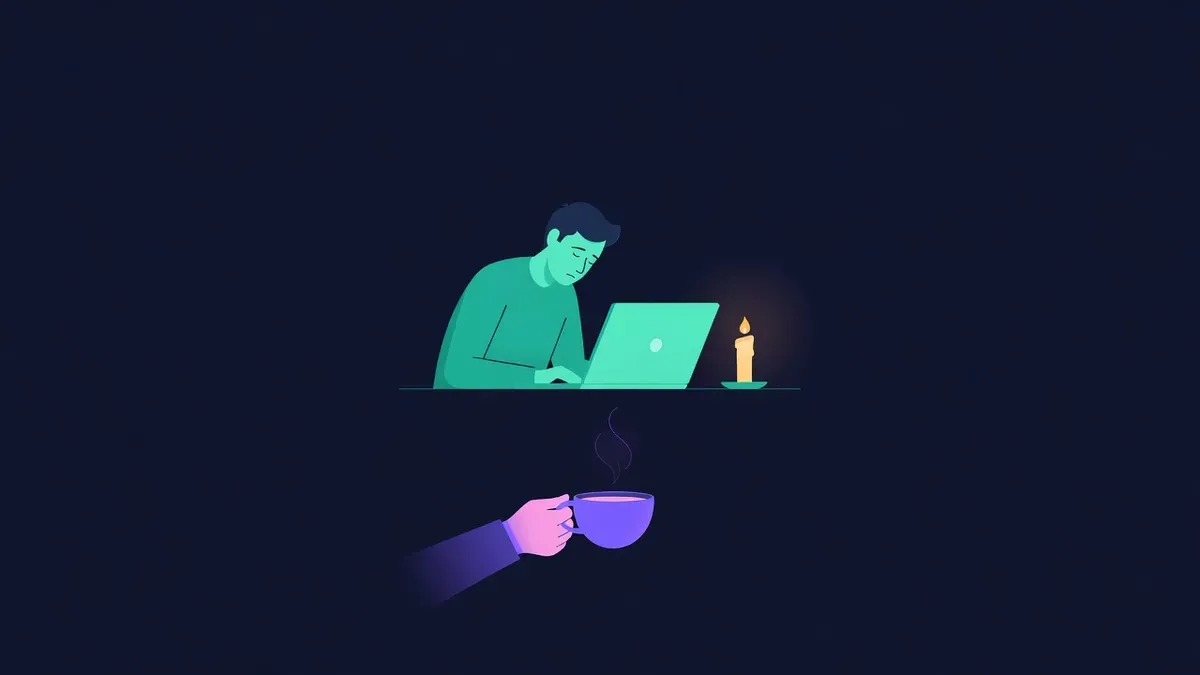
Moderators are the people who make crypto communities usable. They remove scams, answer the same questions hundreds of times, calm arguments and stay online during launches and incidents. Much of that work is invisible, often unpaid and sometimes abusive. When moderators burn out, communities quickly fill with spam, scammers and unanswered questions.
Protecting moderators is both the right thing to do and a practical necessity.
Why burnout is common
Crypto moderation carries pressures beyond normal community management:
- Activity never stops, because markets and communities run around the clock
- Scammers adapt constantly, requiring vigilance
- Price drops bring anger directed at whoever is visible
- Moderators often handle sensitive situations, such as users who lost funds
- Many volunteers moderate on top of jobs and studies
- Recognition from the core team can be inconsistent
Over time, these pressures lead to exhaustion, cynicism and moderators quietly leaving.
Warning signs
Watch for signs that a moderator is struggling:
| Sign | What it may indicate |
|---|---|
| Shorter or sharper replies to members | Frustration and fatigue |
| Reduced activity without explanation | Withdrawal |
| Always online at all hours | No boundaries |
| Increased conflicts with other moderators | Stress spilling over |
| Comments about not being appreciated | Lack of recognition |
Check in privately and kindly when you notice these signs. A simple conversation often helps.
Share the workload
Burnout grows when a few people carry everything. Spread the load:
- Build a schedule so moderators have defined shifts
- Recruit enough moderators to cover major time zones
- Use bots for repetitive tasks such as spam removal and FAQ answers
- Maintain canned responses for common questions
- Give moderators a clear escalation path to the core team
A moderator who knows someone else is covering the next shift can switch off.
Set healthy boundaries
Encourage moderators to:
- Turn off notifications outside their shifts
- Take regular days off and full breaks during holidays
- Avoid engaging with abusive users personally, and use timeouts or bans instead
- Hand difficult conversations to another moderator when emotions run high
- Keep personal wallets and accounts separate from moderation work
Team leaders should model these boundaries themselves.
Support during hard moments
Launches, exploits and crashes are the most demanding times. Prepare moderators with fact sheets, pre-approved messages and direct team contacts. After difficult events, hold a short debrief to talk about what happened and how people are feeling. Acknowledge the extra effort publicly and privately.
Dealing with users who lost funds to scams can be emotionally heavy. Provide guidance on how to respond kindly without taking on responsibility for every loss.
Reward and recognise the work
Moderation deserves recognition:
- Pay regular moderators a fair stipend where possible
- Thank moderators publicly in updates and calls
- Give moderators early access to news so they are not caught off guard
- Include moderators in planning discussions about community changes
- Offer growth paths into paid community roles
Make leaving easy
People's circumstances change. Make it acceptable for moderators to step back without guilt. Offer a break or a lighter role before they reach the point of quitting. When someone leaves, thank them, remove permissions promptly and keep the door open for their return.
Build a team identity
Moderator teams that feel like teams last longer. Private channels for moderators to chat, occasional social calls and shared symbols help. Some projects give their moderator group a small public nod, such as a mention on the project's Proud Globe pin page tagline during community appreciation week, as a reminder that the people behind the community matter.
Educational content only. Nothing here is financial, legal or tax advice. Crypto assets carry risk, so check the details for your own situation.