Crypto Around the World
Running a Global Community in Many Languages
How to run a crypto community across languages, from opening language channels and recruiting regional moderators to translating updates accurately.
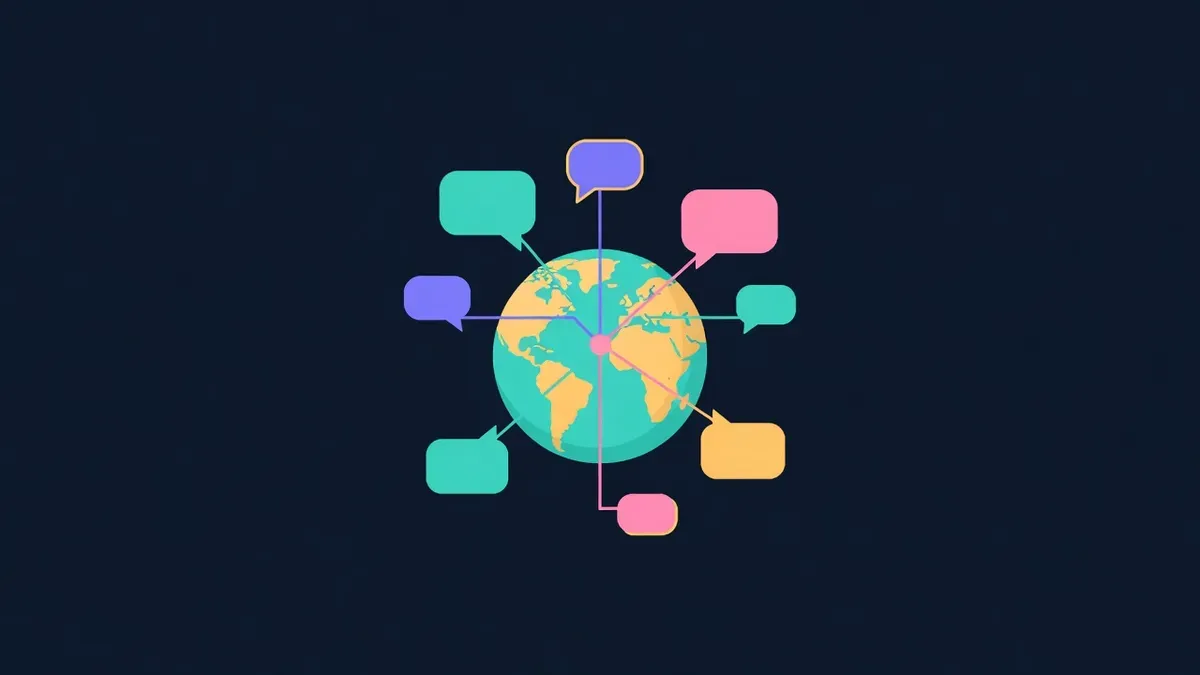
A crypto project with users in dozens of countries eventually faces a language question. The main channels run in English, but many members read English slowly, ask questions less often and miss important updates. Language communities can bring those members closer. They can also fragment the community and become targets for scammers if they are poorly managed.
When to open language channels
Opening channels too early creates empty rooms. Wait for signals:
- A steady group of members speaking the same language in the main channels
- Repeated requests for local language support
- Analytics showing growing traffic from a region
- Volunteers willing to moderate and translate
Start with the one or two languages where demand is clearest.
Choose the format
Language communities can take several forms:
| Format | Advantages | Disadvantages |
|---|---|---|
| Channels in the main server | Easy to oversee, shared announcements | Can feel secondary |
| Separate regional groups | Local ownership, local platforms | Harder to moderate and verify |
| Regional X accounts | Local reach | Risk of impersonation, extra security work |
| Translated docs only | Low maintenance | Little community interaction |
Many projects begin with channels inside the main server, then add separate groups where a region prefers a different platform.
Recruit regional moderators
Language communities succeed or fail with their moderators. Look for people who:
- Have been active and helpful in the main community for a while
- Speak the language natively and understand the project well
- Stay calm during tense moments
- Can commit regular time during their local waking hours
Give them clear guidelines, the same safety rules as the main community and a private channel with the core team. Pay them if they are doing significant ongoing work.
Keep official information aligned
The biggest risk with multilingual communities is inconsistent information. A mistranslated announcement can cause panic or false expectations. Reduce that risk:
- Share announcements with moderators before publishing, with time to translate
- Keep a glossary of key terms and product names
- Link translated announcements back to the original
- Mark official translations clearly
- Correct mistakes publicly and quickly
Contract addresses, links and dates should never be retyped. Copy them from the official source every time.
Protect language communities from scams
Scammers often target language groups because moderators are fewer and warnings may be missing. Mirror the main community's protections:
- Pinned warnings about DMs and seed phrases in the local language
- Official admin list with exact usernames
- Anti-spam bots with local scam phrases added
- A clear path to report suspicious accounts
Connect regions to each other
Language communities should feel part of the whole. Ideas:
- Monthly global calls with segments from regional leads
- Highlighting regional achievements in main announcements
- Regional contributors presenting their work to the wider community
- Shared goals, such as translation milestones or local events
Budget for translation work
Translation takes time, and volunteers burn out when every announcement lands on them at midnight. Budget for it the same way you budget for design or development. Pay regular translators a fixed monthly amount or a per-word rate, share announcements with them in advance and credit them publicly. For critical documents, such as security notices and token terms, pay for a second reviewer. The cost is small compared with the damage a mistranslated warning can cause.
Measure health
Track activity, questions answered, time to response and moderator retention for each language. A quiet channel may need better onboarding or may simply not have enough demand yet. Close or merge channels that do not grow, and explain why.
Show the map of your community
Global communities enjoy seeing their spread. Some projects let each regional group choose a tile on the Proud Globe over its home city, linking to the right local channel, which gives every language community a visible place on the same shared map.
Educational content only. Nothing here is financial, legal or tax advice. Crypto assets carry risk, so check the details for your own situation.