Web3 Builders
Monitoring a dApp in Production
What to monitor once a dApp is live, from contract events and RPC health to frontend errors and key balances, with alerts teams actually act on.
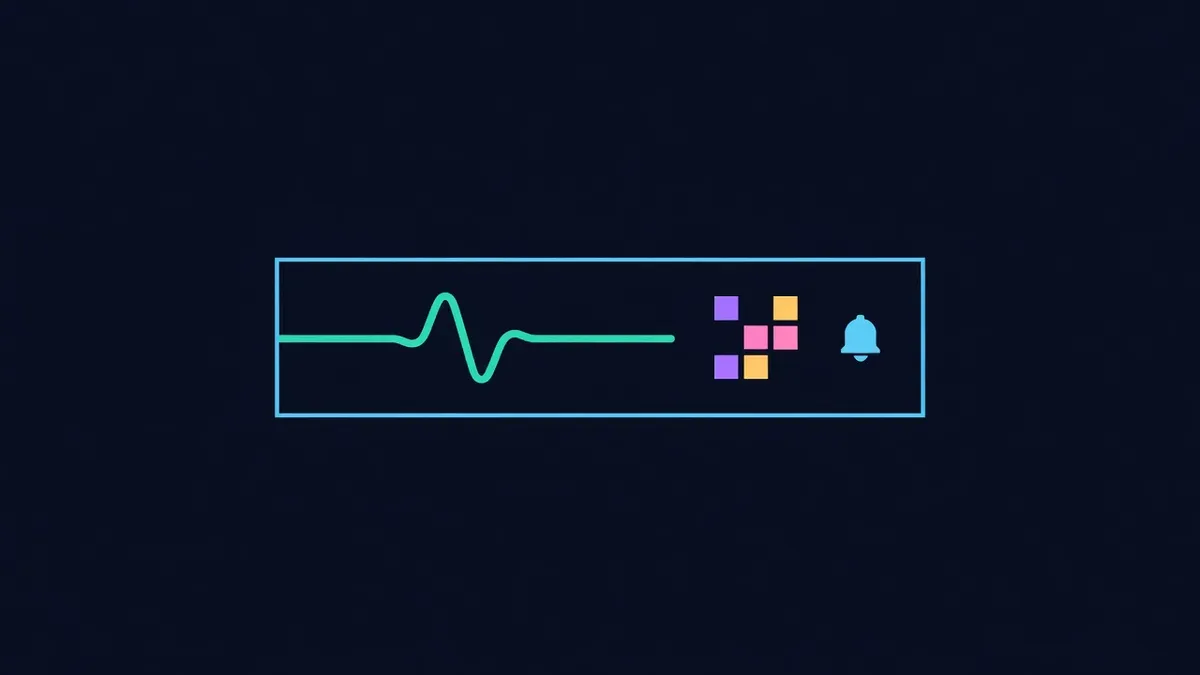
Launching a dApp is only the beginning. Once real users arrive, many things can go wrong: RPC providers fail, contracts receive unexpected calls, frontends break in certain wallets, admin keys are used unexpectedly or an exploit starts draining funds. Teams that monitor well notice problems in minutes. Teams that do not often learn about them from angry users on X.
What to monitor
Monitoring for a dApp covers several layers:
| Layer | Examples of signals |
|---|---|
| Smart contracts | Large withdrawals, admin function calls, paused state, unusual event volume |
| Treasury and key wallets | Balance changes, unexpected outgoing transactions |
| Infrastructure | RPC errors, API latency, database health, scheduled job failures |
| Frontend | JavaScript errors, failed wallet connections, slow page loads |
| Business metrics | New users, transactions per hour, revenue |
| Security signals | Lookalike domains, fake tokens, impersonator accounts |
Start with the signals that would indicate loss of user funds, then expand.
Contract monitoring
Watch contract events and function calls in near real time. Useful alerts include:
- Admin or owner functions called
- Contract paused or unpaused
- Withdrawals above a threshold
- Sudden spikes in failed transactions
- Changes in key parameters such as fees or oracle addresses
- Large price deviations in oracles your contracts use
Several monitoring services and open source tools watch contracts and send alerts. A simple scheduled job reading events can also cover basic needs.
Infrastructure health
Your backend and RPC connections need attention too:
- Track error rates and latency for each RPC provider
- Alert when scheduled jobs stop running or fall behind
- Monitor database size and query performance
- Check SSL certificate expiry and DNS records
A dApp can look fine on-chain while its backend silently stops processing, leaving users waiting on transactions that never appear in the interface.
Frontend errors
Browser error tracking reveals problems users hit but rarely report:
- Wallet connection failures for specific wallets
- Errors on particular networks
- Crashes on mobile browsers
- Failed API calls
Choose privacy-respecting tools, avoid collecting wallet addresses unnecessarily and scrub sensitive data.
Alerting that works
Too many alerts cause alert fatigue, and important alerts get ignored. Design alerting carefully:
- Critical alerts for possible loss of funds or complete outages, sent to on-call people immediately
- Warning alerts for degraded performance, reviewed during working hours
- Informational notices collected in a channel for daily review
Assign an owner for every critical alert type and document what to do when it fires.
Runbooks
A runbook is a short document explaining how to respond to a specific alert. For example:
- What the alert means
- How to confirm whether it is real
- Immediate steps, such as pausing contracts or switching RPC providers
- Who to contact
- How to communicate with users
Runbooks turn stressful moments into checklists.
Public status
When problems affect users, communicate early. A status page or pinned message explaining what is happening reduces support load and prevents rumours. Update it until the issue is resolved.
Review regularly
Monthly, review alerts that fired, incidents that happened and signals that were missed. Adjust thresholds, add monitoring for gaps and remove noisy alerts.
Watch your brand too
Security monitoring includes watching for impersonation: fake domains, fake tokens and fake social accounts using your name. Users are better protected when official information is easy to confirm. Keeping your website, docs and public profiles such as a Proud Globe pin aligned gives them several consistent references.
Educational content only. Nothing here is financial, legal or tax advice. Crypto assets carry risk, so check the details for your own situation.