Community Building
Collecting Useful Feedback From a Crypto Community
How to collect product feedback from a crypto community that is specific and actionable, using structured channels, surveys, interviews and clear follow-up.

Crypto communities are rarely short of opinions. Every channel contains suggestions, complaints and requests. Turning that noise into useful product input is harder. Feedback arrives scattered across Discord, Telegram and X, mixed with price talk and jokes, and the loudest voices are not always the most representative.
A simple system helps teams hear what matters.
Separate feedback from general chat
Create dedicated places for feedback:
- A forum-style channel where each suggestion becomes its own thread
- A bug report channel or form with a required template
- A public feedback board where members can upvote ideas
Separate spaces make feedback easier to find, discuss and track. They also keep general channels friendlier.
Use templates for bug reports
Vague bug reports waste time. A short template improves quality:
- What were you trying to do?
- What happened instead?
- Which wallet, device and browser did you use?
- Which network?
- Transaction hash if relevant
- Screenshots or recordings
Remind members never to share seed phrases or private keys in bug reports.
Run short surveys
Surveys reach members who never post. Keep them brief:
| Question type | Example |
|---|---|
| Satisfaction | How satisfied are you with the product today? |
| Priority | Which of these features would you use most? |
| Friction | What almost stopped you from using the product? |
| Open question | What is one thing we should change? |
Five to eight questions is usually enough. Share results with the community afterwards.
Talk to users directly
Short interviews reveal context surveys miss. Invite a mix of members for twenty-minute calls:
- New users who joined recently
- Power users who use the product daily
- Users who stopped using the product
- Members from different regions
Ask about real situations rather than hypothetical wishes. "Tell me about the last time you used the app" leads to more useful answers than "What features do you want?"
Watch behaviour as well as words
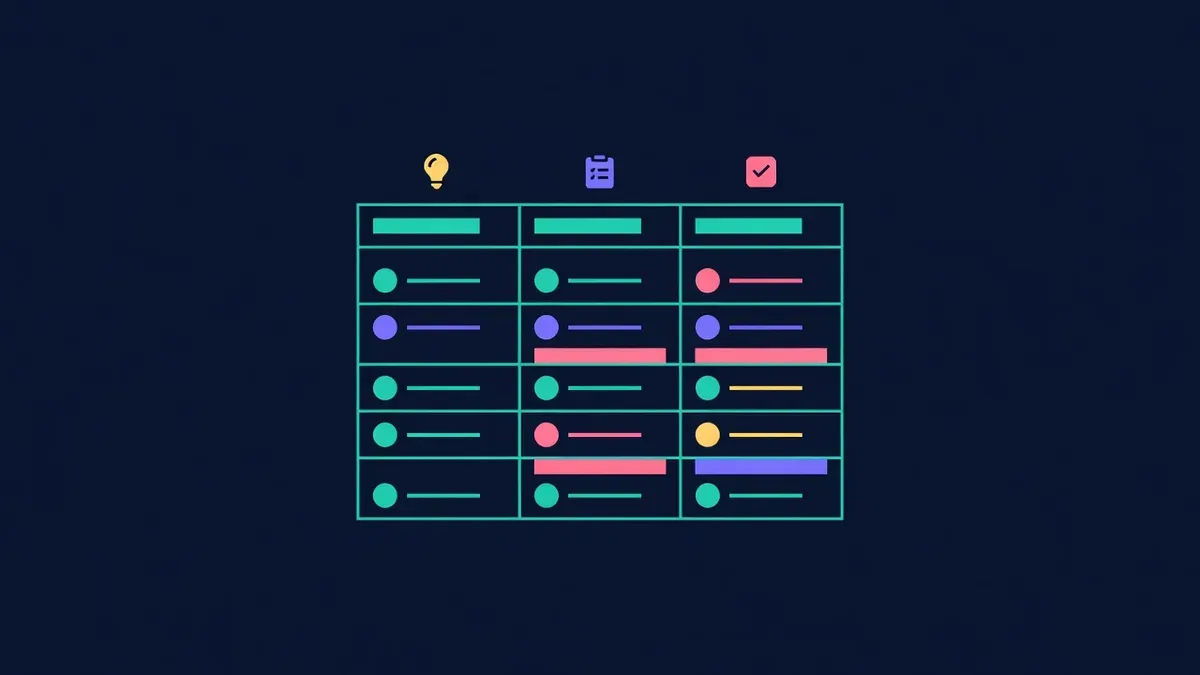
What people do often differs from what they say. Combine feedback with product data: where users drop off, which features they use and which errors they see. When feedback and data point to the same problem, prioritise it.
Balance loud and quiet voices
Highly active members provide valuable insight but may not represent everyone. Balance input by:
- Weighting survey results from the wider community
- Seeking feedback from regional and language groups
- Paying attention to support tickets, which often come from quieter users
- Noticing when a small group repeats the same request across channels
Close the loop
The fastest way to kill feedback is to ignore it. Show what happens:
- Acknowledge feedback quickly, even with a short reply
- Label ideas as under review, planned, not planned or done
- Explain decisions not to build something
- Credit community members when their feedback shapes a release
- Share a regular "you asked, we changed" update
Members who see their suggestions acted on become more engaged and more constructive.
Protect feedback channels
Feedback channels can attract spam, scams and coordinated campaigns. Moderate them like any channel, and watch for accounts posting identical requests that may be pushing an agenda.
Make feedback part of the culture
Communities where feedback is welcomed, organised and visibly acted on tend to feel like shared projects. Some teams celebrate the community's biggest feedback wins publicly, and a few even let members vote on the tagline for the project's Proud Globe pin as a lighthearted way to show that community input shapes what the world sees.
Educational content only. Nothing here is financial, legal or tax advice. Crypto assets carry risk, so check the details for your own situation.